Twists: The 2025 Guide To Effortless Elegance And Protective Styling
Twists: The 2025 Guide to Effortless Elegance and Protective Styling
Related Articles: Twists: The 2025 Guide to Effortless Elegance and Protective Styling
Introduction
In this auspicious occasion, we are delighted to delve into the intriguing topic related to Twists: The 2025 Guide to Effortless Elegance and Protective Styling. Let’s weave interesting information and offer fresh perspectives to the readers.
Table of Content
Twists: The 2025 Guide to Effortless Elegance and Protective Styling

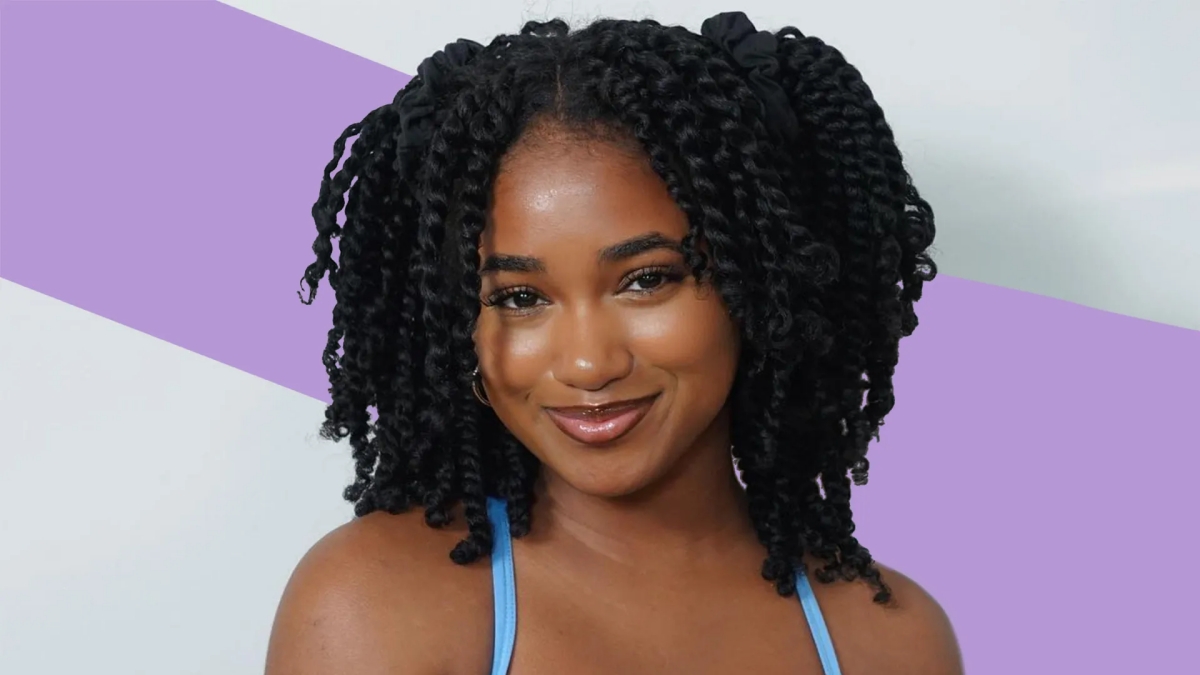
Twists, a versatile and timeless hairstyle, continue to reign supreme in 2025. From the classic two-strand twist to intricate, multi-braided variations, this protective style offers a myriad of options for all hair types and lengths. This comprehensive guide will equip you with the knowledge and techniques to master twists, adapting them to the latest trends and ensuring your hair stays healthy and stylish throughout the year.
Understanding the Basics: Types of Twists and Their Variations
Before diving into specific techniques, let’s explore the fundamental types of twists:
-
Two-Strand Twists: The cornerstone of many twist hairstyles, this involves twisting two strands of hair together. It’s a simple yet effective method ideal for beginners and can be used to create everything from casual everyday looks to elegant updos.
-
Three-Strand Twists: Adding a third strand to the mix introduces more complexity and allows for thicker, more textured twists. This technique is perfect for creating braids with a twist, adding volume, and achieving a more intricate look.
-
Flat Twists: These twists lay flat against the scalp, creating a sleek and polished appearance. They are excellent for creating intricate patterns and designs and are particularly popular for protective styling.
-
Rope Twists: This technique involves twisting two strands tightly together, creating a rope-like effect. Rope twists offer a unique texture and are ideal for adding a touch of bohemian flair.
-
Ghanaian Twists: A variation of the two-strand twist, Ghanaian twists are typically longer and more defined, often extending down the back and sides of the head. They offer a stunning and versatile look, suitable for both casual and formal occasions.
-
Faux Locs: Created using extensions and the twisting technique, faux locs mimic the look of locs without the commitment of permanent locking. They are a popular protective style offering immense versatility in length, thickness, and color.
Hair Preparation: The Foundation for Perfect Twists
Achieving flawlessly executed twists begins with proper hair preparation. This crucial step ensures the longevity of your style and protects your hair from damage:
-
Cleanse and Condition: Start with a gentle cleansing shampoo to remove any product buildup or dirt. Follow with a deep conditioner to hydrate and nourish your hair, leaving it soft and manageable.
-
Detangling: Thoroughly detangle your hair using a wide-tooth comb or your fingers, starting from the ends and working your way up to the roots. This prevents breakage and ensures smooth twists.
-
Moisturize and Seal: Apply a leave-in conditioner or moisturizing cream to hydrate your hair. Follow with a sealant like an oil (e.g., coconut, jojoba, or argan oil) to lock in moisture and add shine.
-
Sectioning: Divide your hair into manageable sections using clips or hair ties. The size of your sections will depend on the desired thickness of your twists. Smaller sections create thinner twists, while larger sections create thicker ones.
Mastering the Techniques: Step-by-Step Guides
Let’s delve into the techniques for creating different types of twists:
Two-Strand Twist Tutorial:
- Sectioning: Divide a section of your hair into two equal strands.
- Twisting: Hold one strand in each hand. Twist one strand clockwise, then twist the other strand counterclockwise.
- Combining: Bring the two twisted strands together and twist them in one direction (either clockwise or counterclockwise) until you reach the end.
- Securing: Secure the end with a small hair tie or bobby pin.
- Repeat: Repeat this process for all sections of your hair.
Three-Strand Twist Tutorial:
- Sectioning: Divide a section of your hair into three equal strands.
- Twisting: Take two strands and twist them together as in a two-strand twist.
- Incorporating the Third Strand: Add the third strand to the twisted pair and continue twisting all three strands together in the same direction.
- Securing: Secure the end with a small hair tie or bobby pin.
- Repeat: Repeat this process for all sections of your hair.
Flat Twist Tutorial:
- Sectioning: Create small, neat sections close to the scalp.
- Twisting: Begin the twist close to the scalp, keeping it flat against the head. Use your fingers to guide the twist, ensuring it stays close to the scalp.
- Adding Hair: As you twist, gradually incorporate more hair from the section into the twist.
- Securing: Secure the end with a small hair tie or bobby pin.
- Repeat: Repeat this process for all sections of your hair.
Faux Locs Tutorial (requires extensions):
- Sectioning: Divide your hair into small sections.
- Attaching Extensions: Attach a pre-twisted extension to each section of your hair using the braiding method.
- Twisting: Twist the extension and your natural hair together, creating a continuous twist.
- Securing: Secure the end with a small hair tie or bobby pin.
- Repeat: Repeat this process for all sections of your hair.
Styling and Maintenance: Keeping Your Twists Looking Fresh
Once your twists are complete, maintaining their appearance and protecting your hair is crucial:
- Protective Styling: Twists themselves are a form of protective styling, minimizing manipulation and reducing breakage.
- Moisturizing: Keep your hair moisturized by regularly applying a leave-in conditioner or hair oil. Consider using a spray bottle to mist your hair with water throughout the day.
- Protective Covering: At night, cover your hair with a satin scarf or bonnet to prevent friction and maintain moisture.
- Washing: Wash your hair every 1-2 weeks using a gentle sulfate-free shampoo. Avoid harsh scrubbing to prevent frizz and unraveling.
- Styling Variations: Once your twists are in, you can experiment with different styles, such as updos, buns, or half-updos.
2025 Twist Trends:
The year 2025 sees a fusion of classic techniques with modern aesthetics:
- Color Blocking: Bold and vibrant color combinations within the twists are trending.
- Accessorizing: Adding beads, cuffs, or ribbons to your twists adds a personalized touch.
- Asymmetrical Styles: Unconventional parting and styling create edgy and modern looks.
- Incorporating Braids: Combining twists and braids for a multi-textured hairstyle is highly popular.
- Natural Textures: Embracing natural hair texture within the twists, rather than striving for perfect smoothness, adds a unique and beautiful dimension.
Conclusion:
Twists offer a versatile and stylish way to protect your hair while expressing your individuality. By mastering the techniques outlined in this guide and staying updated on the latest trends, you can create a stunning array of looks that will keep you looking and feeling your best throughout 2025 and beyond. Remember, practice makes perfect, so don’t be afraid to experiment and find what works best for your hair type and personal style. Embrace the versatility of twists and let your creativity shine!



Closure
Thus, we hope this article has provided valuable insights into Twists: The 2025 Guide to Effortless Elegance and Protective Styling. We hope you find this article informative and beneficial. See you in our next article!