The Naked Truth: Unraveling The Genetics Of Hairless Cats In 2025
The Naked Truth: Unraveling the Genetics of Hairless Cats in 2025
Related Articles: The Naked Truth: Unraveling the Genetics of Hairless Cats in 2025
Introduction
In this auspicious occasion, we are delighted to delve into the intriguing topic related to The Naked Truth: Unraveling the Genetics of Hairless Cats in 2025. Let’s weave interesting information and offer fresh perspectives to the readers.
Table of Content
The Naked Truth: Unraveling the Genetics of Hairless Cats in 2025

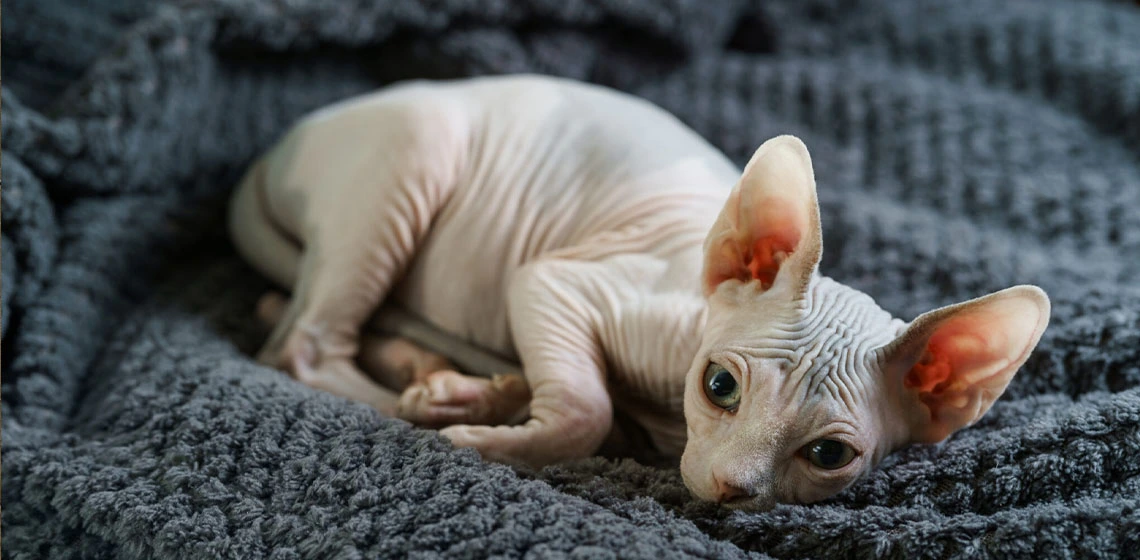
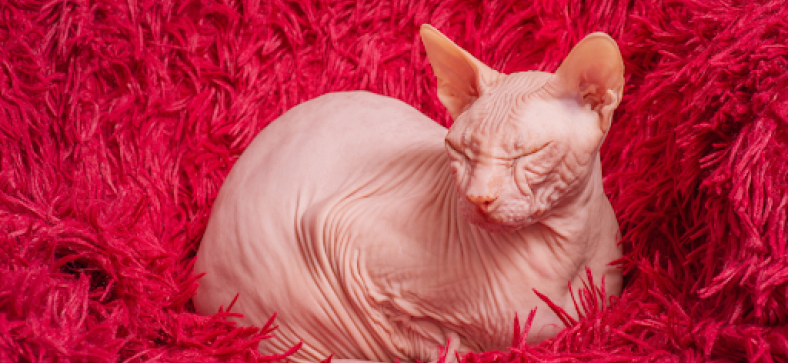
Hairless cats, with their captivating smooth skin and endearingly wrinkled features, have captivated cat lovers for decades. Their unique appearance, however, stems from a fascinating genetic anomaly, a story woven into the very fabric of their DNA. While the general understanding of hairlessness in cats is well-established, ongoing research continues to refine our knowledge, particularly concerning the diverse genetic mechanisms at play and the implications for the health and well-being of these captivating felines. This article will explore the current understanding of hairless cat genetics in 2025, delving into the specific mutations, their phenotypic expressions, and the ongoing challenges in managing associated health conditions.
The Genetic Roots of Hairlessness:
The lack of a fur coat in hairless cats is not a single, monolithic phenomenon. Different breeds exhibit hairlessness due to mutations in different genes, highlighting the complex interplay of genetic factors in coat development. The most commonly studied and understood mutation is associated with the FGF5 gene. This gene plays a crucial role in the regulation of hair follicle growth and development across various mammalian species, including cats. A specific mutation in this gene, typically a recessive allele, leads to a significant reduction or complete absence of hair growth.
However, the story doesn’t end with FGF5. Other genes, still under investigation, contribute to the diverse range of hairless phenotypes observed in different breeds. For instance, some hairless cats might exhibit a sparse, downy coat, while others are completely devoid of fur. This variability in expression suggests the involvement of modifier genes that interact with FGF5 and other yet-to-be-identified genes to influence the extent of hairlessness.
Breed-Specific Variations:
The Sphynx cat, perhaps the most recognizable hairless breed, is frequently associated with the FGF5 mutation. However, other breeds, such as the Donskoy, Peterbald, and Lykoi (the "werewolf" cat, exhibiting a patchy hairless coat), each possess unique genetic underpinnings for their characteristic hairlessness. While FGF5 might play a role in some of these breeds, others may involve mutations in entirely different genes controlling hair follicle development, differentiation, or the overall regulation of the hair growth cycle. This genetic diversity underscores the complexity of the phenomenon and the need for breed-specific genetic analyses.
Advances in genomic sequencing technologies in 2025 have dramatically improved our ability to identify and characterize these genes. Researchers are now employing whole-genome sequencing and comparative genomics to pinpoint specific mutations responsible for hairlessness in different breeds. This allows for a more precise understanding of the genetic architecture of hairlessness and facilitates the development of more accurate genetic tests for breeders.
Beyond the Genes: Phenotypic Expression and Associated Health Concerns:
The absence of a fur coat in hairless cats presents unique challenges. Their skin is more vulnerable to environmental factors such as sunburn, cold temperatures, and skin irritations. Many hairless cats require specialized care, including regular sunscreen application, appropriate temperature regulation, and careful monitoring for skin infections or allergies.
Furthermore, the genetic mutations responsible for hairlessness are often linked to other phenotypic traits and health conditions. For instance, some hairless cats exhibit hyperthermia (increased body temperature), dental anomalies, and skeletal abnormalities. The exact nature and severity of these associated conditions vary across breeds and even within individual cats. Ongoing research is dedicated to understanding the genetic basis of these comorbidities and developing strategies for their prevention and management.
The Role of Epigenetics:
While genetics play a primary role in determining hairlessness, the influence of epigenetic factors is increasingly recognized. Epigenetics refers to heritable changes in gene expression that do not involve alterations to the underlying DNA sequence. Environmental factors, such as nutrition and stress, can influence epigenetic modifications, potentially affecting the expression of genes involved in hair growth and other phenotypic traits. This adds another layer of complexity to understanding the full spectrum of hairlessness in cats. Studies investigating the epigenetic landscape of hairless cats are still in their early stages, but they promise to provide valuable insights into the interplay between genes and environment in shaping the phenotype.
Ethical Considerations and Future Directions:
The breeding of hairless cats raises ethical considerations. The potential for associated health problems necessitates careful breeding practices to minimize the risk of inheriting debilitating conditions. Responsible breeders conduct thorough health screenings, genetic testing, and careful selection of breeding pairs to reduce the frequency of these problems. Genetic counseling for prospective owners is also crucial to ensure informed decision-making.
Looking ahead to 2025 and beyond, continued research is vital. The focus will likely shift towards:
- Identifying novel genes: Uncovering additional genes involved in hairlessness and associated conditions.
- Developing improved diagnostic tools: Creating more accurate and accessible genetic tests to screen for mutations linked to hairlessness and associated health issues.
- Understanding gene-environment interactions: Investigating the role of epigenetic factors and environmental influences on the expression of hairlessness and related traits.
- Developing targeted therapies: Exploring therapeutic interventions to mitigate the health challenges associated with hairlessness.
In conclusion, the hairlessness observed in various cat breeds is a complex genetic phenomenon stemming from mutations in multiple genes, with FGF5 being a prominent player. However, the full genetic architecture remains to be fully elucidated. The associated health concerns highlight the importance of responsible breeding practices and ongoing research to improve the well-being of these unique and captivating felines. The advancements in genomics and our evolving understanding of gene-environment interactions promise to shed more light on the intricacies of hairless cat genetics in the years to come. The "naked truth" about these cats is still unfolding, but the ongoing research is paving the way for a healthier and more informed future for these captivating creatures.


Closure
Thus, we hope this article has provided valuable insights into The Naked Truth: Unraveling the Genetics of Hairless Cats in 2025. We thank you for taking the time to read this article. See you in our next article!