The Great Hair Transformation: Haircuts Before And After 2025
The Great Hair Transformation: Haircuts Before and After 2025
Related Articles: The Great Hair Transformation: Haircuts Before and After 2025
Introduction
With great pleasure, we will explore the intriguing topic related to The Great Hair Transformation: Haircuts Before and After 2025. Let’s weave interesting information and offer fresh perspectives to the readers.
Table of Content
The Great Hair Transformation: Haircuts Before and After 2025
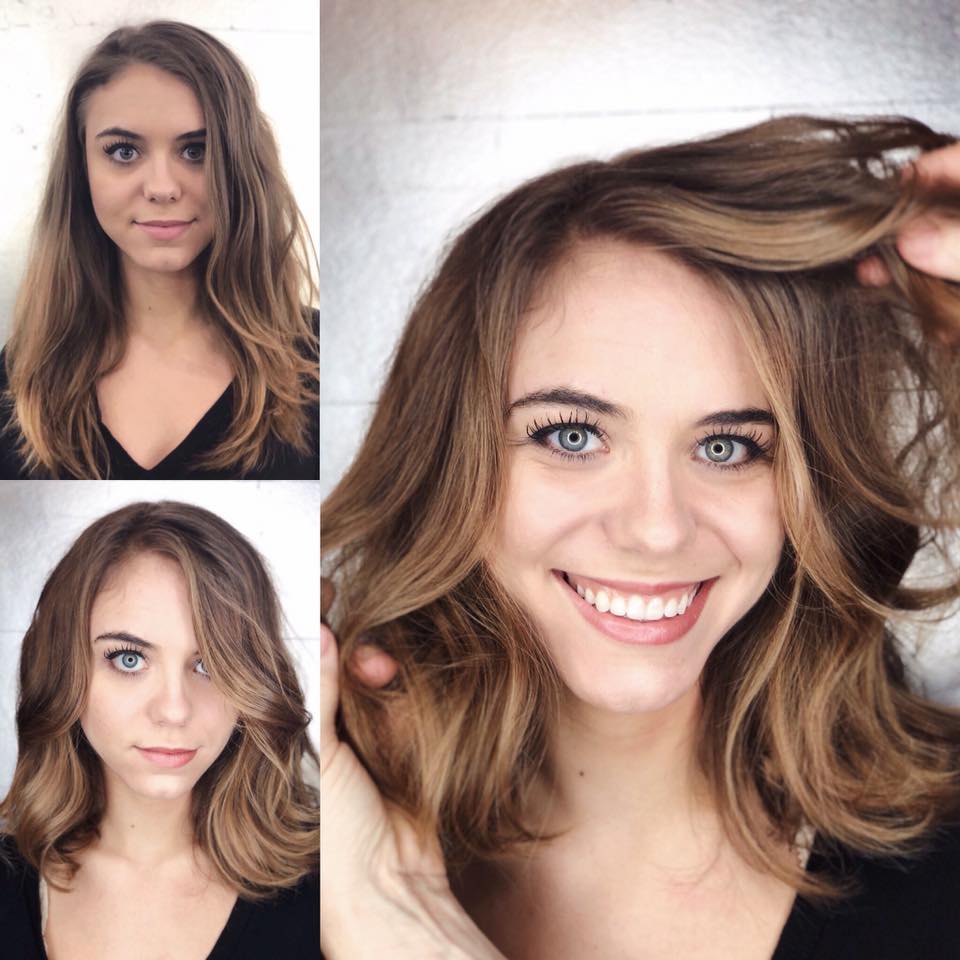
The year 2025 serves as a potent symbolic marker in the ever-evolving landscape of hairdressing. While predicting the future with absolute certainty is impossible, several trends suggest a significant shift in haircut styles, techniques, and the very ethos of the industry. Looking back at the pre-2025 era reveals a fascinating tapestry of styles, many of which will likely evolve or fade into the annals of hair history, paving the way for new and exciting possibilities.
Before 2025: A Retrospective on Hair Trends
The decade leading up to 2025 witnessed a fascinating interplay of nostalgic revivals and bold, innovative cuts. Several key trends dominated the scene:
-
The Long Hair Renaissance: Long hair, particularly for women, enjoyed a significant resurgence. This wasn’t simply about length; it was about embracing texture, incorporating braids, waves, and a variety of styling techniques to create dynamic and individual looks. From beachy waves to sleek, straight styles, length offered a versatile canvas for self-expression. This trend was fuelled by a growing appreciation for natural beauty and a rejection of overly processed or styled hair.
-
The "Effortless Chic" Aesthetic: This trend emphasized undone textures, natural waves, and a general air of nonchalant sophistication. Think tousled bobs, textured lobs (long bobs), and air-dried styles that prioritized healthy-looking hair over rigid perfection. This reflected a broader cultural shift towards embracing imperfections and celebrating individuality.
-
The Rise of the Undercut: While not a mainstream trend, the undercut continued to gain traction, particularly among younger generations. This daring style, which involves shaving or closely cropping the hair at the nape of the neck or sides, offered a striking contrast and allowed for creative styling on top. It symbolized rebellion and self-expression, pushing the boundaries of conventional beauty standards.
-
The Continued Reign of the Bob: The bob, in its various iterations (classic bob, lob, A-line bob), remained a timeless and versatile classic. Its adaptability allowed for countless variations, making it suitable for a wide range of face shapes and hair textures. The bob’s enduring popularity speaks to its inherent elegance and practicality.
-
The Influence of Technology: Apps and online tutorials played a significant role in shaping hair trends. Platforms like Instagram and TikTok became powerful tools for disseminating styles, allowing individuals to experiment and replicate looks they admired. This democratized access to information and empowered individuals to take control of their hair styling.
-
Sustainability and Ethical Concerns: Growing awareness of environmental and ethical issues began to influence the hairdressing industry. Consumers became increasingly interested in sustainable hair products, eco-friendly salons, and ethical sourcing of ingredients. This trend signaled a shift towards responsible consumption and a greater appreciation for the impact of the beauty industry on the planet.
After 2025: Predicting the Future of Hair
While predicting the future is inherently speculative, several factors suggest potential shifts in haircut trends post-2025:
-
Hyper-Personalization: Expect a move towards even greater personalization. Artificial intelligence (AI) and advanced technology may play a significant role in designing custom haircuts based on individual features, hair type, and lifestyle. Virtual reality (VR) tools could allow clients to visualize different styles before committing to a cut.
-
The Metaverse and Digital Hair: The burgeoning metaverse will likely influence hair trends. Digital hair, created using augmented reality (AR) and virtual reality (VR) technologies, could become a significant aspect of self-expression, blurring the lines between physical and digital identities.
-
Sustainability Takes Center Stage: The demand for sustainable and ethical practices will only intensify. Salons will likely adopt more eco-friendly technologies, use less water, and prioritize biodegradable products. The focus will shift towards minimizing waste and reducing the industry’s environmental footprint.
-
Bio-hacking and Hair Growth Technology: Advances in biotechnology and regenerative medicine may lead to innovative treatments that promote hair growth and improve hair health. This could potentially revolutionize the industry, offering solutions for hair loss and damage.
-
The Rise of Inclusivity and Diversity: The focus on inclusivity and diversity will continue to grow. Hairdressers will be increasingly trained to work with a broader range of hair types and textures, catering to the needs of diverse clientele. This will lead to a wider range of styles that celebrate individuality and embrace natural beauty.
-
Minimalist and Functional Styles: In a world increasingly focused on efficiency and practicality, minimalist haircuts are likely to gain popularity. These styles emphasize ease of maintenance and require minimal styling, reflecting a preference for simplicity and functionality.
-
The Return of Bold Colors and Geometric Cuts: While effortless chic will likely remain a popular aesthetic, we may see a counter-trend towards bolder, more experimental styles. Geometric cuts, vibrant colors, and creative styling techniques could emerge as a way to express individuality and stand out from the crowd.
-
Integration of Technology in Salon Services: Salons will likely integrate more technology into their services. This could include AI-powered tools for diagnosis and treatment, personalized product recommendations, and virtual consultations. This will enhance the overall client experience and improve the efficiency of salon operations.
Specific Style Predictions:
-
The "Micro-Bob": A shorter, more graphic take on the classic bob, emphasizing precision and clean lines.
-
Textured Pixie Cuts: Pixie cuts with added texture and volume, offering a modern and edgy look.
-
Asymmetrical Cuts: Cuts that incorporate uneven lengths and layers, adding a sense of dynamism and asymmetry.
-
Layered Shags with Modern Twists: A revival of the shag haircut, but with updated techniques and styling to create a more polished and contemporary look.
-
Natural Hair Embraces: More emphasis on embracing natural hair texture, with styles that celebrate curls, coils, and waves.
Conclusion:
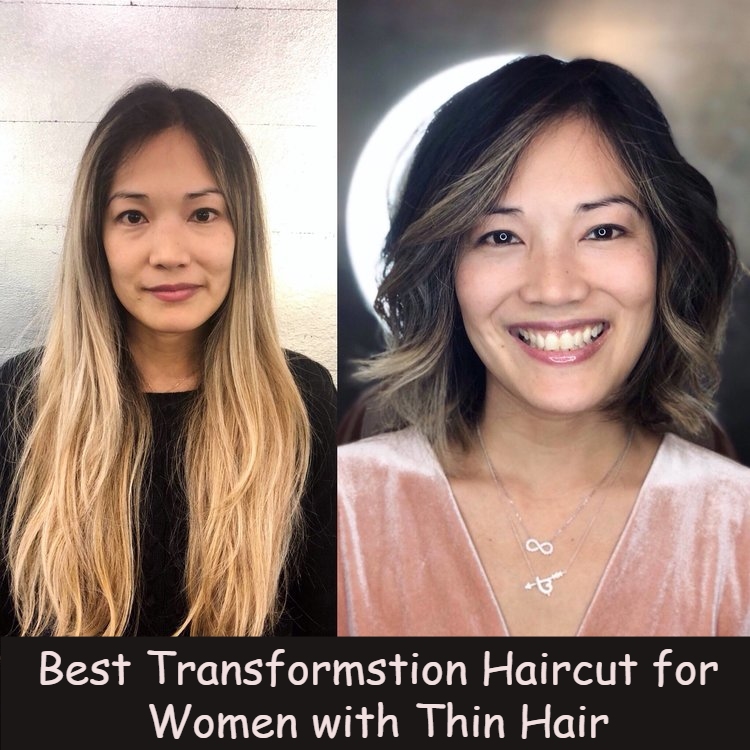
The evolution of haircuts reflects broader societal changes, technological advancements, and evolving cultural values. While the pre-2025 era witnessed a blend of nostalgic revivals and innovative styles, the post-2025 landscape promises a more personalized, sustainable, and technologically driven approach to hairdressing. The future of haircuts will likely be defined by a convergence of artistry, technology, and a growing appreciation for individuality and self-expression. The journey from the past to the future of haircuts is not simply about changing styles; it’s about reflecting and shaping the evolving identity of individuals and society as a whole. The next chapter in the story of hair is yet to be written, but the possibilities are exciting and limitless.


Closure
Thus, we hope this article has provided valuable insights into The Great Hair Transformation: Haircuts Before and After 2025. We appreciate your attention to our article. See you in our next article!