The Evolving Icon: Mid-Century Modern Chairs In 2025
The Evolving Icon: Mid-Century Modern Chairs in 2025
Related Articles: The Evolving Icon: Mid-Century Modern Chairs in 2025
Introduction
In this auspicious occasion, we are delighted to delve into the intriguing topic related to The Evolving Icon: Mid-Century Modern Chairs in 2025. Let’s weave interesting information and offer fresh perspectives to the readers.
Table of Content
The Evolving Icon: Mid-Century Modern Chairs in 2025
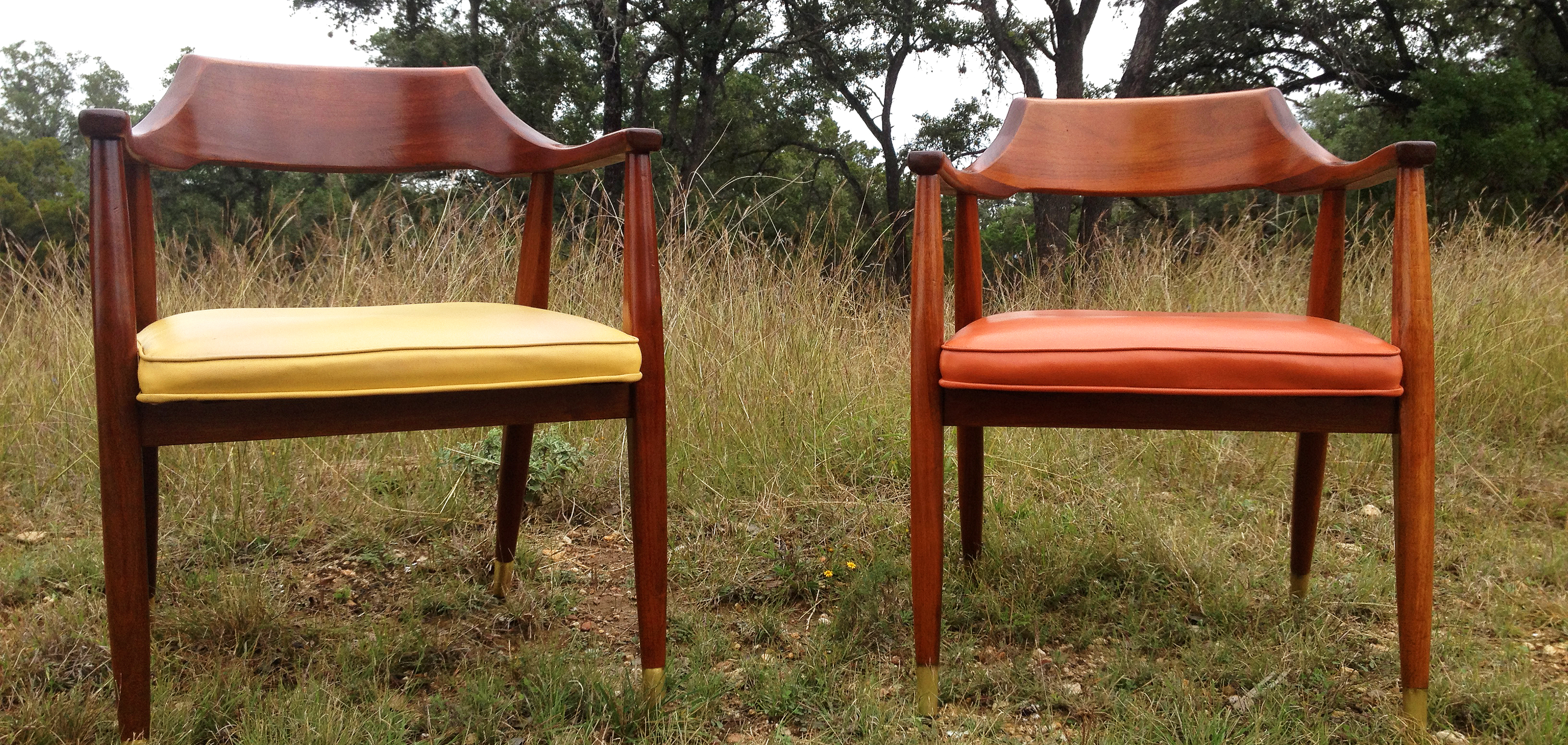
The mid-century modern aesthetic, a design movement flourishing from roughly the 1930s to the 1960s, continues to captivate. Its clean lines, organic forms, and emphasis on functionality have transcended fleeting trends, becoming a timeless classic. But what does the future hold for the mid-century modern chair in 2025? While the core principles remain, advancements in materials, manufacturing, and design philosophies are shaping a new generation of these iconic pieces, blurring the lines between heritage and innovation.
A Legacy of Form and Function:
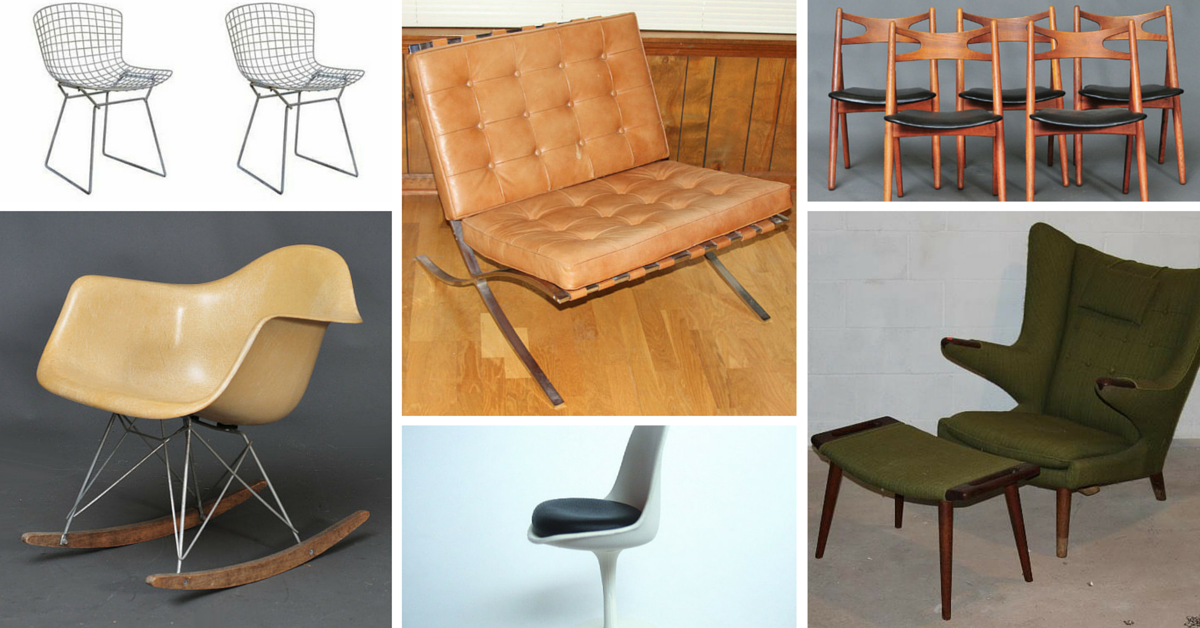
Before diving into the 2025 landscape, it’s crucial to understand the foundation. The mid-century modern chair wasn’t just about aesthetics; it was a response to post-war societal shifts. Mass production techniques allowed for greater accessibility to well-designed furniture, while a focus on ergonomics prioritized comfort and practicality. Iconic designs like the Eames Lounge Chair, the Barcelona Chair, and the Egg Chair epitomized this ethos, utilizing innovative materials like molded plywood, fiberglass, and leather to create pieces that were both visually stunning and incredibly comfortable. These chairs weren’t mere furnishings; they were statements, reflecting a belief in simplicity, functionality, and a rejection of ornate embellishment.
The 2025 Evolution: Material Innovations:
The most significant shift in mid-century modern chairs in 2025 lies in the materials. While traditional materials like wood, leather, and metal remain staples, we’re seeing a surge in sustainable and technologically advanced alternatives. Bioplastics derived from renewable resources are gaining traction, offering a more environmentally conscious approach without compromising on durability or aesthetic appeal. Recycled materials are also playing a crucial role, with manufacturers incorporating reclaimed wood and upcycled metals into their designs, contributing to a circular economy and reducing the environmental impact of furniture production.
Furthermore, advancements in composite materials allow for greater flexibility in design. Imagine chairs with intricate, organic curves previously impossible to achieve with traditional techniques. These new materials can be molded into complex shapes, offering both structural integrity and a unique aesthetic. We can anticipate seeing chairs with seamlessly integrated cushioning, eliminating the need for bulky seams and enhancing comfort. The integration of smart materials, capable of responding to temperature and pressure, further enhances the user experience, creating chairs that adapt to the individual’s needs.
Technological Integration: Smart Chairs of the Future:
The integration of technology is another key trend shaping the future of mid-century modern chairs. While maintaining the minimalist aesthetic, manufacturers are subtly incorporating smart features. Imagine a chair with embedded sensors that monitor posture and gently adjust its support to promote healthy sitting habits. Or a chair with integrated heating or cooling elements, providing personalized comfort throughout the day. These advancements aren’t about overwhelming the design; rather, they’re about enhancing the user experience in a seamless and unobtrusive manner.
Wireless charging capabilities are also becoming increasingly common, allowing users to conveniently charge their devices while seated. The integration of ambient lighting, subtly integrated into the chair’s frame, can add to the overall ambiance of a space. These technological enhancements don’t compromise the clean lines and simplicity characteristic of mid-century modern design; instead, they seamlessly blend technology with timeless aesthetics.
Design Reinterpretations: A Modern Take on a Classic:
While the core principles of mid-century modern design remain, 2025 sees a wave of reinterpretations. Designers are taking inspiration from iconic pieces, but adding their own contemporary twist. We’re seeing bolder color palettes, incorporating vibrant hues that were less prevalent in the original movement. The use of textured fabrics and unconventional materials adds a layer of complexity and visual interest, while maintaining the overall clean aesthetic.
Geometric patterns and subtle ornamentation are also making a comeback, but in a more refined and understated manner than seen in previous decades. The focus is on subtle detailing that complements the overall design rather than overshadowing it. This approach reflects a growing appreciation for craftsmanship and attention to detail, echoing the values of the original mid-century modern movement.
Sustainability and Ethical Production:
The emphasis on sustainability is not just a trend; it’s a fundamental shift in the design industry. In 2025, consumers are increasingly demanding ethically sourced materials and sustainable manufacturing practices. This translates into a greater focus on locally sourced wood, recycled materials, and reduced carbon footprints. Transparency in the supply chain is also becoming increasingly important, with consumers wanting to know where their furniture comes from and how it was made.
Manufacturers are responding to this demand by adopting eco-friendly production methods and collaborating with sustainable material suppliers. Certifications and labels indicating sustainable practices are becoming more common, helping consumers make informed choices. This focus on sustainability is not just about environmental responsibility; it’s also about creating furniture that is built to last, reflecting the enduring quality and longevity that are hallmarks of mid-century modern design.
The Future of the Mid-Century Modern Chair:
The mid-century modern chair in 2025 is not a mere replication of the past; it’s an evolution. It’s a fusion of classic principles and contemporary innovations, a testament to the enduring appeal of timeless design. The integration of sustainable materials, smart technology, and innovative design approaches creates a new generation of chairs that are both aesthetically pleasing and functionally superior. These chairs are not just pieces of furniture; they are expressions of a design philosophy that values simplicity, functionality, and sustainability – a legacy that continues to inspire and evolve. The future of the mid-century modern chair is bright, promising a continued reign of elegance, comfort, and enduring style for years to come. It’s a design story that continues to unfold, chapter by chapter, with each new innovation building upon the rich legacy of the past.




Closure
Thus, we hope this article has provided valuable insights into The Evolving Icon: Mid-Century Modern Chairs in 2025. We thank you for taking the time to read this article. See you in our next article!