The Curious Case Of The Naked Ape: Why Humans Are Hairless In 2025 (and Beyond)
The Curious Case of the Naked Ape: Why Humans Are Hairless in 2025 (and Beyond)
Related Articles: The Curious Case of the Naked Ape: Why Humans Are Hairless in 2025 (and Beyond)
Introduction
With great pleasure, we will explore the intriguing topic related to The Curious Case of the Naked Ape: Why Humans Are Hairless in 2025 (and Beyond). Let’s weave interesting information and offer fresh perspectives to the readers.
Table of Content
The Curious Case of the Naked Ape: Why Humans Are Hairless in 2025 (and Beyond)

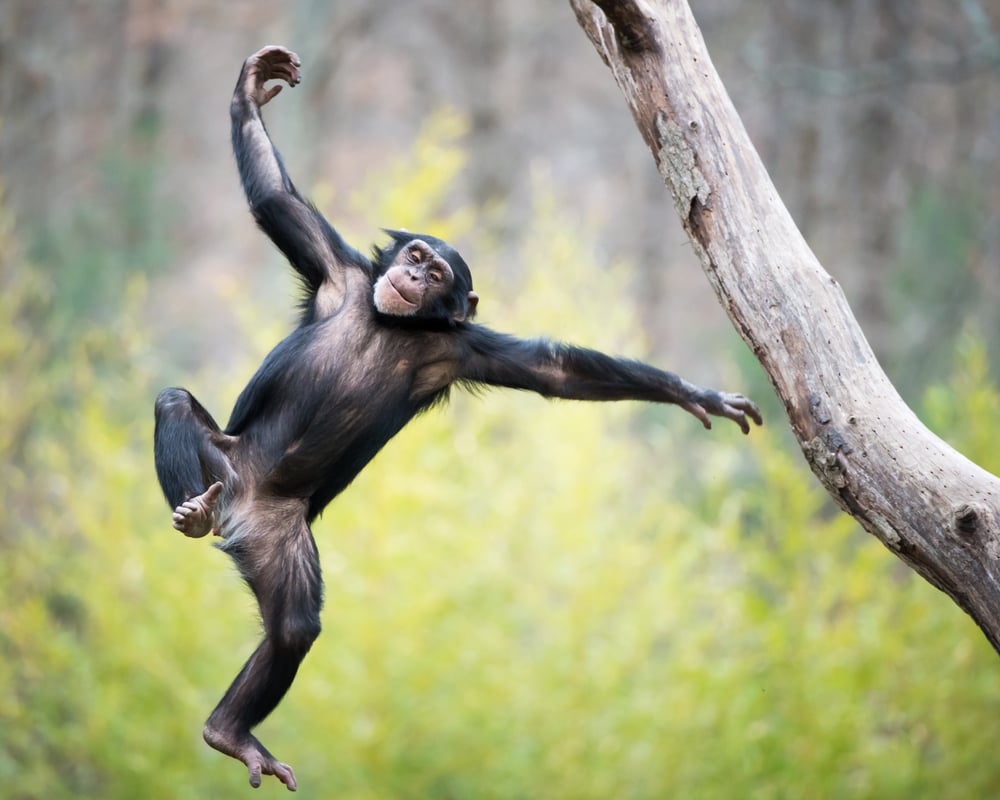
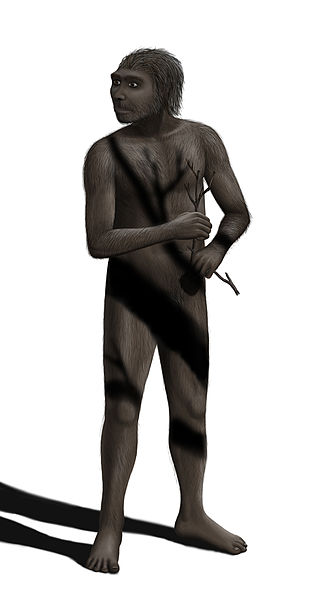
The human body, a marvel of biological engineering, presents a striking paradox: our closest primate relatives are covered in fur, yet we, Homo sapiens, are relatively hairless. This seemingly minor detail has captivated scientists for centuries, sparking debates and driving research into the evolutionary pressures that sculpted our naked skin. In 2025, with advancements in genetics, paleoclimatology, and computational biology, our understanding of this unique characteristic is richer than ever before, though the complete picture remains a fascinating puzzle.
The prevailing theory, supported by a convergence of evidence, points to a combination of factors driving the reduction of human body hair over millions of years. No single explanation suffices; instead, a complex interplay of environmental pressures, thermoregulation needs, and social dynamics likely contributed to our current state of relative hairlessness.
The Aquatic Ape Hypothesis: A Re-evaluation in 2025
While largely dismissed in mainstream scientific circles, the aquatic ape hypothesis (AAH) continues to garner attention, albeit in a modified form. The original AAH posited a prolonged aquatic phase in human evolution, suggesting that hair loss was an adaptation to aquatic life, similar to whales or dolphins. While the evidence for a complete aquatic phase remains weak, updated research suggests that periods of increased proximity to water, perhaps related to foraging or migration patterns, might have played a significant role. Studies examining the distribution of eccrine sweat glands – responsible for evaporative cooling – across the human body, coupled with analyses of ancient hominin habitats, suggest a correlation between water availability and the development of efficient sweat mechanisms, potentially favouring hair reduction in warmer, wetter environments. Advanced climate modelling, incorporating factors like humidity and solar radiation, has provided further support for this modified AAH, highlighting how hair loss could have been advantageous in reducing overheating during prolonged periods of activity near water sources.
Thermoregulation: The Key to Survival in the African Savanna
The most widely accepted explanation for human hairlessness focuses on thermoregulation. Our ancestors evolved in the hot, arid environments of Africa. Dense fur, while providing insulation in colder climates, would have been a significant disadvantage in the intense heat of the African savanna. A thick fur coat would trap heat, leading to overheating and reduced endurance during hunts and migrations. The evolution of efficient sweating, enabled by the loss of body hair, allowed for evaporative cooling, a much more effective heat dissipation mechanism than panting, employed by many furry mammals. This evolutionary advantage would have been crucial for our ancestors, enhancing their ability to pursue prey and survive in challenging conditions. Advanced computational models of heat transfer in hominin bodies, factoring in variations in hair density, sweat gland distribution, and environmental temperatures, have strengthened this hypothesis, demonstrating the clear survival advantage conferred by hairlessness in hot climates. This is further supported by the observation that humans possess a significantly higher density of sweat glands than other primates.
Parasite Control: A Less Dominant but Significant Factor
While thermoregulation is likely the primary driver, parasite control likely played a secondary, but still important, role in the reduction of human body hair. Dense hair provides an ideal habitat for ectoparasites such as lice, fleas, and ticks. The loss of hair would have reduced the prevalence of these parasites, decreasing the risk of disease transmission and improving overall health. This is supported by evidence suggesting a correlation between hair density and parasite load in other primate species. Furthermore, the evolution of sophisticated social behaviours, such as grooming and hygiene practices, could have further reinforced the selective pressure favouring hairlessness. Detailed analysis of ancient hominin remains for evidence of parasitic infestations, combined with genetic studies tracking the evolution of parasite resistance, continue to shed light on this aspect of human evolution.
Sexual Selection: A Complicating Factor
The role of sexual selection in human hairlessness is less clear-cut. Some researchers suggest that hairlessness might have been a sexually selected trait, with hairless individuals being preferred mates. This could have been driven by various factors, including perceived attractiveness, hygiene, or the display of physical fitness. However, the evidence for sexual selection in this context is less robust than for thermoregulation or parasite control. Anthropological studies exploring mate preferences across different cultures continue to investigate this aspect, but the results remain inconclusive. The complexity of human mating strategies and the influence of cultural factors make it challenging to isolate the effects of sexual selection on hair loss.
Genetic Underpinnings: Unravelling the Molecular Mechanisms
Advances in genomics are providing crucial insights into the genetic basis of human hairlessness. Researchers are identifying genes involved in hair follicle development and function, comparing their sequences across different primate species to pinpoint mutations that might have contributed to hair loss in humans. The identification of specific genes and regulatory pathways involved in hair growth provides a powerful tool to understand the evolutionary trajectory of hairlessness. This research is not only enriching our understanding of human evolution but also holds potential applications in dermatology and regenerative medicine, offering avenues for treating hair loss and related conditions.
Conclusion: A Multifaceted Evolutionary Story
In 2025, the story of human hairlessness is far from complete, but the picture is becoming increasingly clear. It’s not a simple case of one factor driving the change; instead, a complex interplay of environmental pressures, physiological adaptations, and potentially social dynamics has shaped our relatively hairless bodies. Thermoregulation in hot climates appears to be the primary driver, with parasite control and potentially sexual selection playing secondary roles. Ongoing research, leveraging cutting-edge technologies in genetics, paleoclimatology, and computational biology, continues to unravel the intricacies of this fascinating evolutionary puzzle. The ongoing exploration of the genetic mechanisms behind hair growth, combined with a deeper understanding of the environmental and social pressures faced by our ancestors, promises to further refine our understanding of why humans are the "naked ape" in the years to come. The unraveling of this evolutionary mystery not only provides insights into our past but also offers potential applications in various fields, highlighting the interconnectedness of evolutionary biology and modern science.





Closure
Thus, we hope this article has provided valuable insights into The Curious Case of the Naked Ape: Why Humans Are Hairless in 2025 (and Beyond). We hope you find this article informative and beneficial. See you in our next article!