The Chairless Chair Exoskeleton: Redefining Posture And Mobility In 2025
The Chairless Chair Exoskeleton: Redefining Posture and Mobility in 2025
Related Articles: The Chairless Chair Exoskeleton: Redefining Posture and Mobility in 2025
Introduction
In this auspicious occasion, we are delighted to delve into the intriguing topic related to The Chairless Chair Exoskeleton: Redefining Posture and Mobility in 2025. Let’s weave interesting information and offer fresh perspectives to the readers.
Table of Content
The Chairless Chair Exoskeleton: Redefining Posture and Mobility in 2025
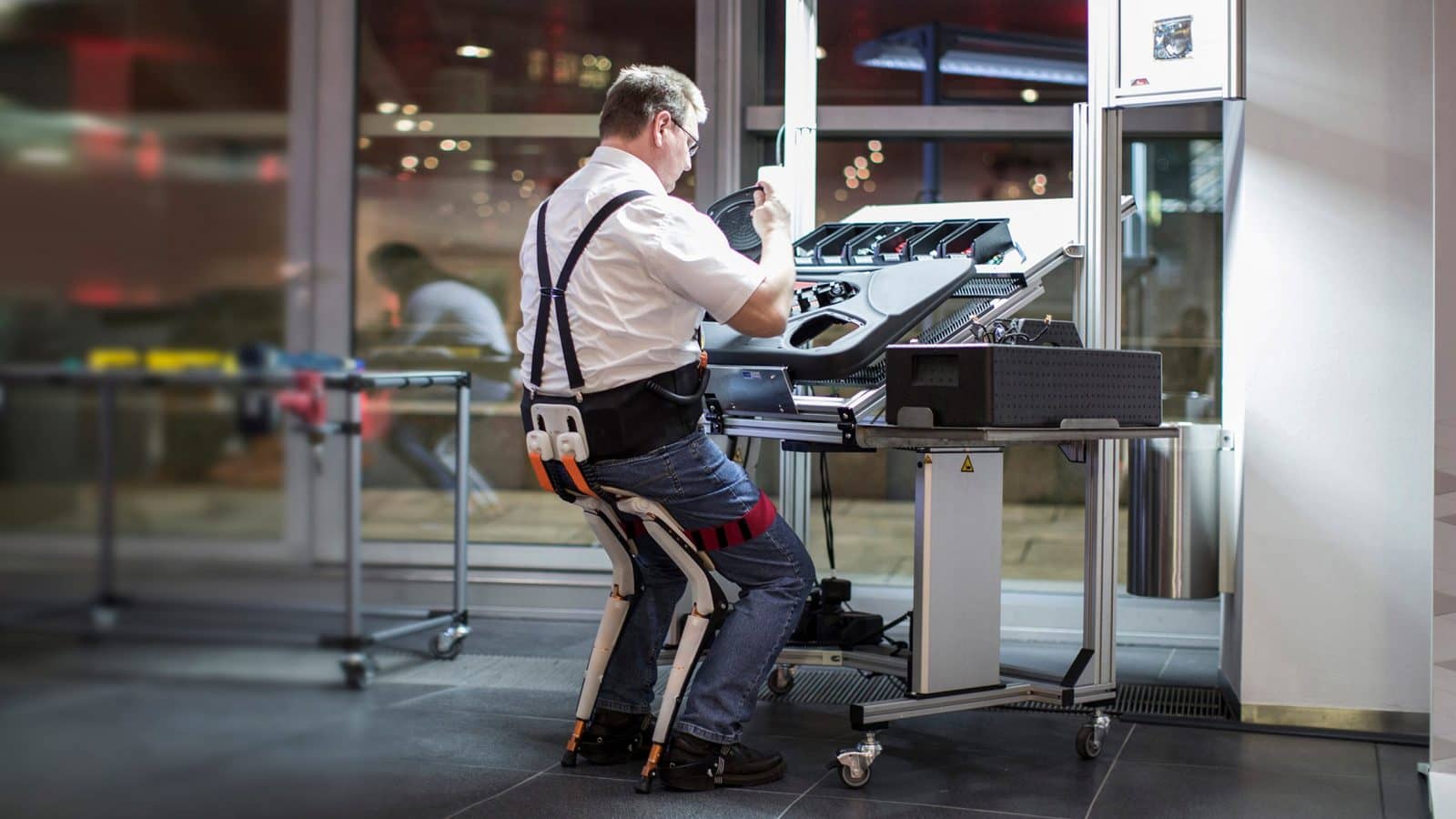
The year is 2025. The concept of a "chair" is undergoing a radical transformation. Forget the bulky, stationary furniture; the future of seated rest and support is here, embodied in the Chairless Chair Exoskeleton (CCE). This revolutionary technology, a culmination of advancements in robotics, biomechanics, and materials science, promises to redefine posture, improve mobility, and revolutionize how we interact with our environments. This article delves into the intricacies of the CCE in 2025, exploring its design, functionality, applications, and the societal impact it’s poised to have.
A Deep Dive into the Design and Functionality:
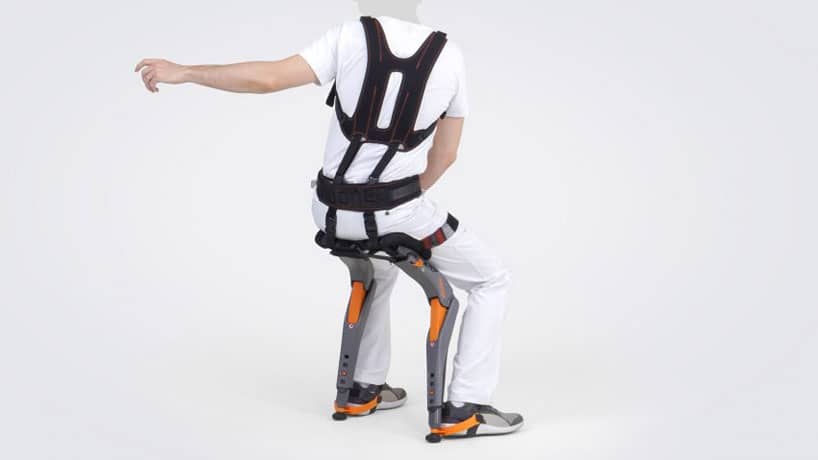
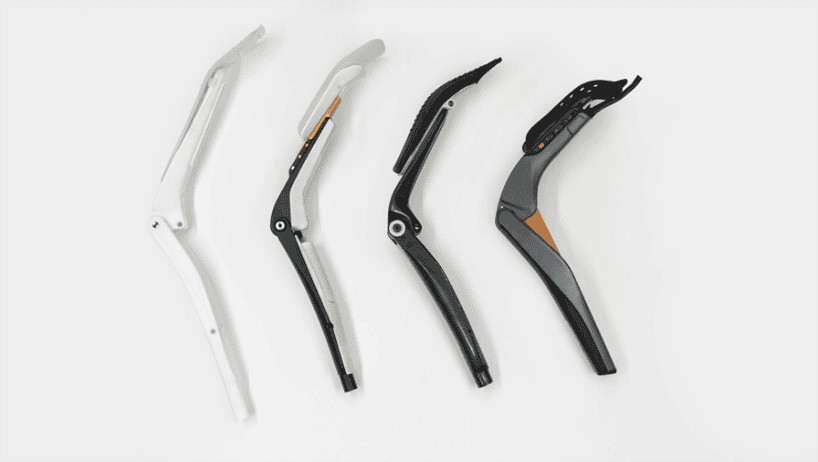
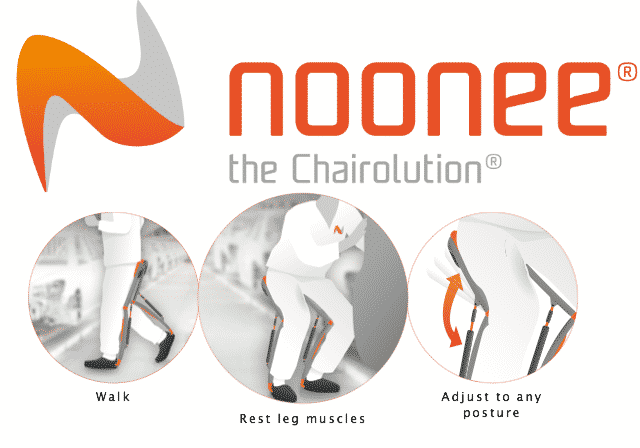
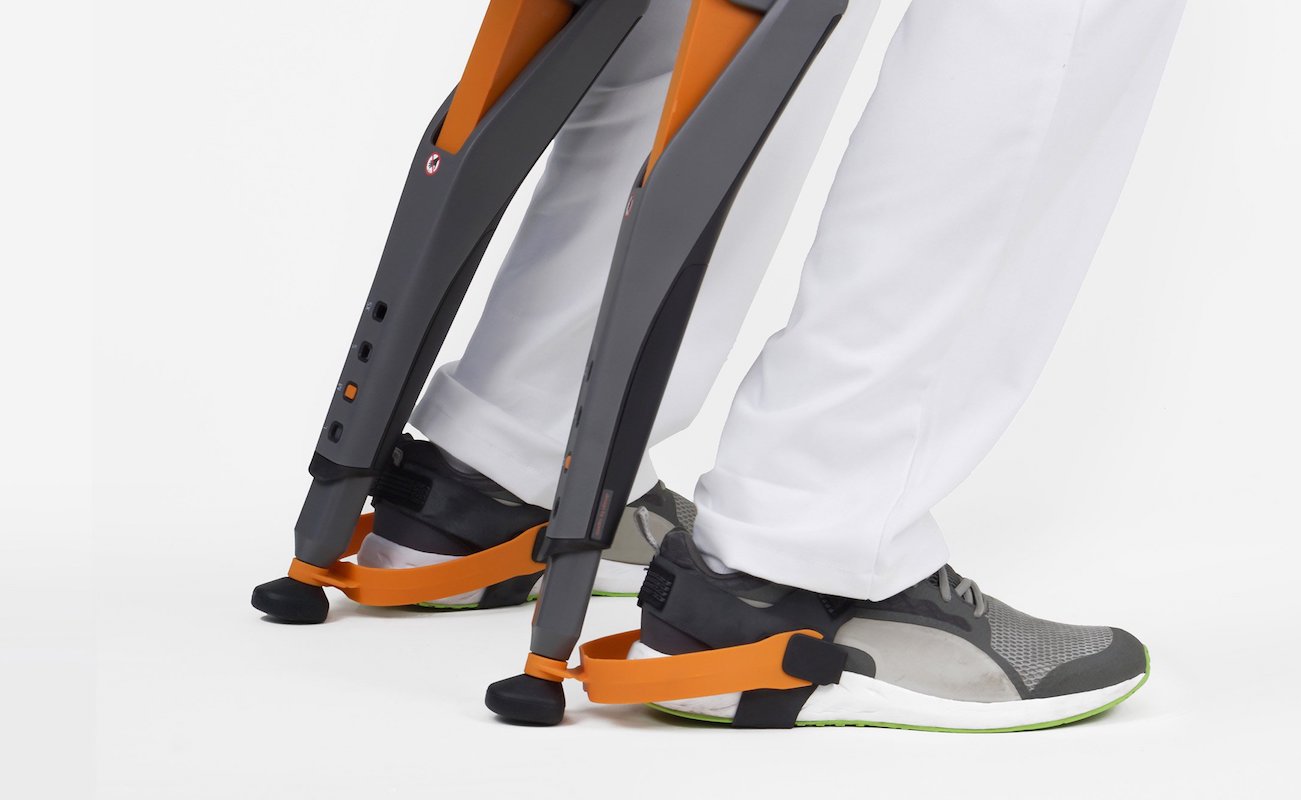
The CCE of 2025 is a marvel of engineering. Unlike bulky exoskeletons designed for heavy lifting, the CCE prioritizes comfort, ergonomics, and seamless integration with the human body. Its design is modular and adaptable, catering to a wide range of body types and needs.
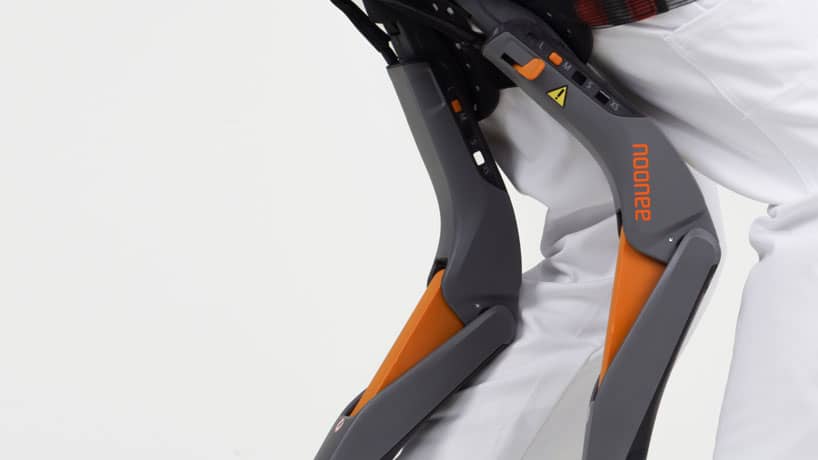
The core of the CCE is a lightweight, yet incredibly strong, carbon fiber and titanium frame. This frame is strategically designed to support the user’s weight and distribute it evenly across the hips, legs, and back. Embedded within this frame is a sophisticated network of sensors and actuators. These sensors constantly monitor the user’s posture, movement, and muscle activity, providing real-time feedback to the system’s control unit.
The actuators, powered by advanced, high-density batteries, respond to the sensor data, subtly adjusting the exoskeleton’s support to maintain optimal posture and reduce strain on the user’s muscles and joints. This dynamic support system ensures that the user experiences a feeling of comfortable "sitting" without the need for a physical chair. The system’s intelligence allows it to learn and adapt to the user’s individual biomechanics over time, further enhancing comfort and effectiveness.
Furthermore, the CCE incorporates advanced haptic feedback systems. These provide subtle cues to the user, guiding them towards improved posture and preventing slouching or strain. The haptic feedback is integrated seamlessly, ensuring it’s not intrusive or distracting.
The exoskeleton’s design also incorporates breathable, hypoallergenic materials to enhance comfort and prevent overheating. The system’s control interface is intuitive and user-friendly, allowing for easy adjustments to support levels and personalized settings. This could range from simple on/off switches to sophisticated apps that allow users to customize their CCE experience based on their activity and preferences.
Applications Beyond the Workplace:
While the CCE’s potential in the workplace is significant (discussed later), its applications extend far beyond the office cubicle. The versatility of the exoskeleton makes it suitable for a wide range of scenarios:
- Healthcare: The CCE can provide invaluable support for individuals recovering from injuries, surgeries, or neurological conditions. It can help improve mobility, reduce pain, and facilitate rehabilitation. For elderly individuals, the CCE can offer enhanced stability and reduce the risk of falls.
- Travel and Leisure: Imagine exploring a museum for hours without fatigue, or comfortably enjoying a long flight without back pain. The CCE empowers users to engage in prolonged standing activities with significantly reduced discomfort.
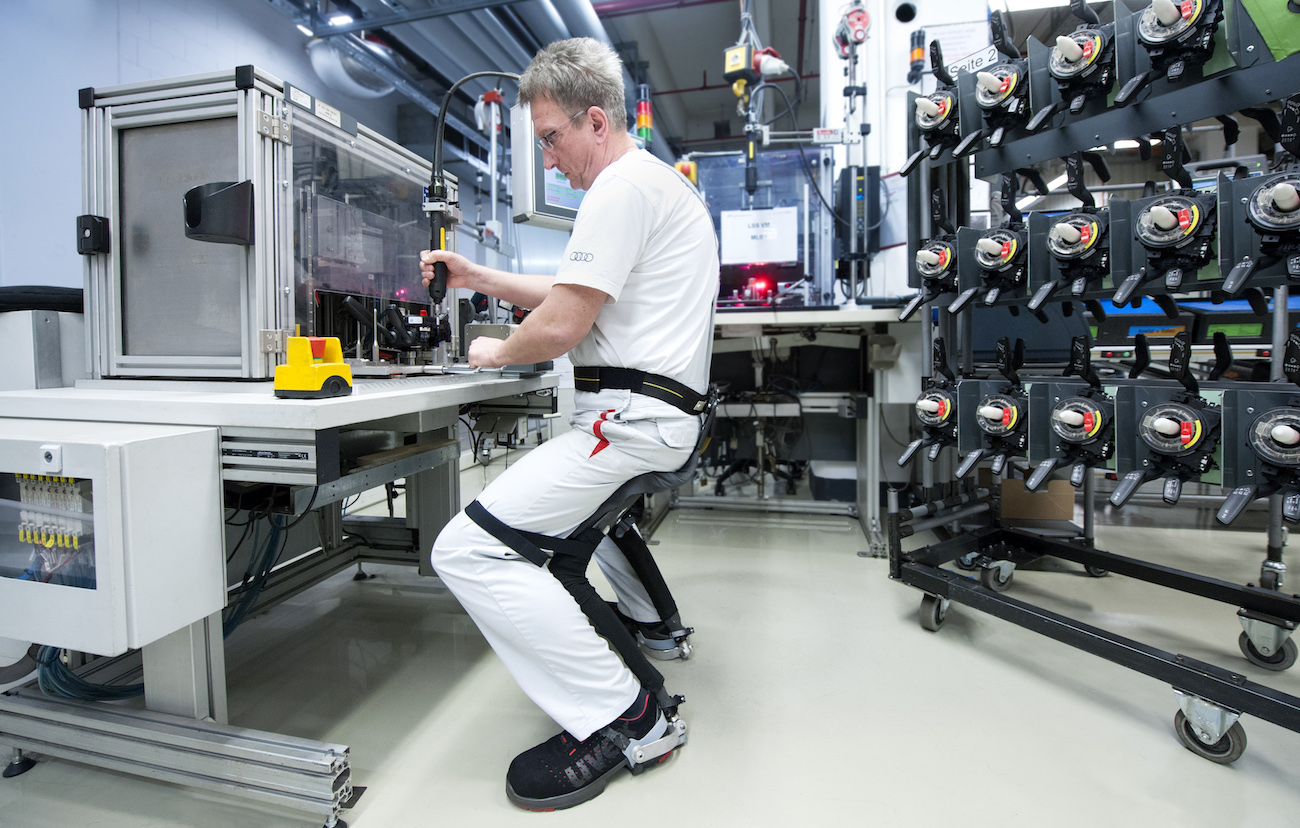
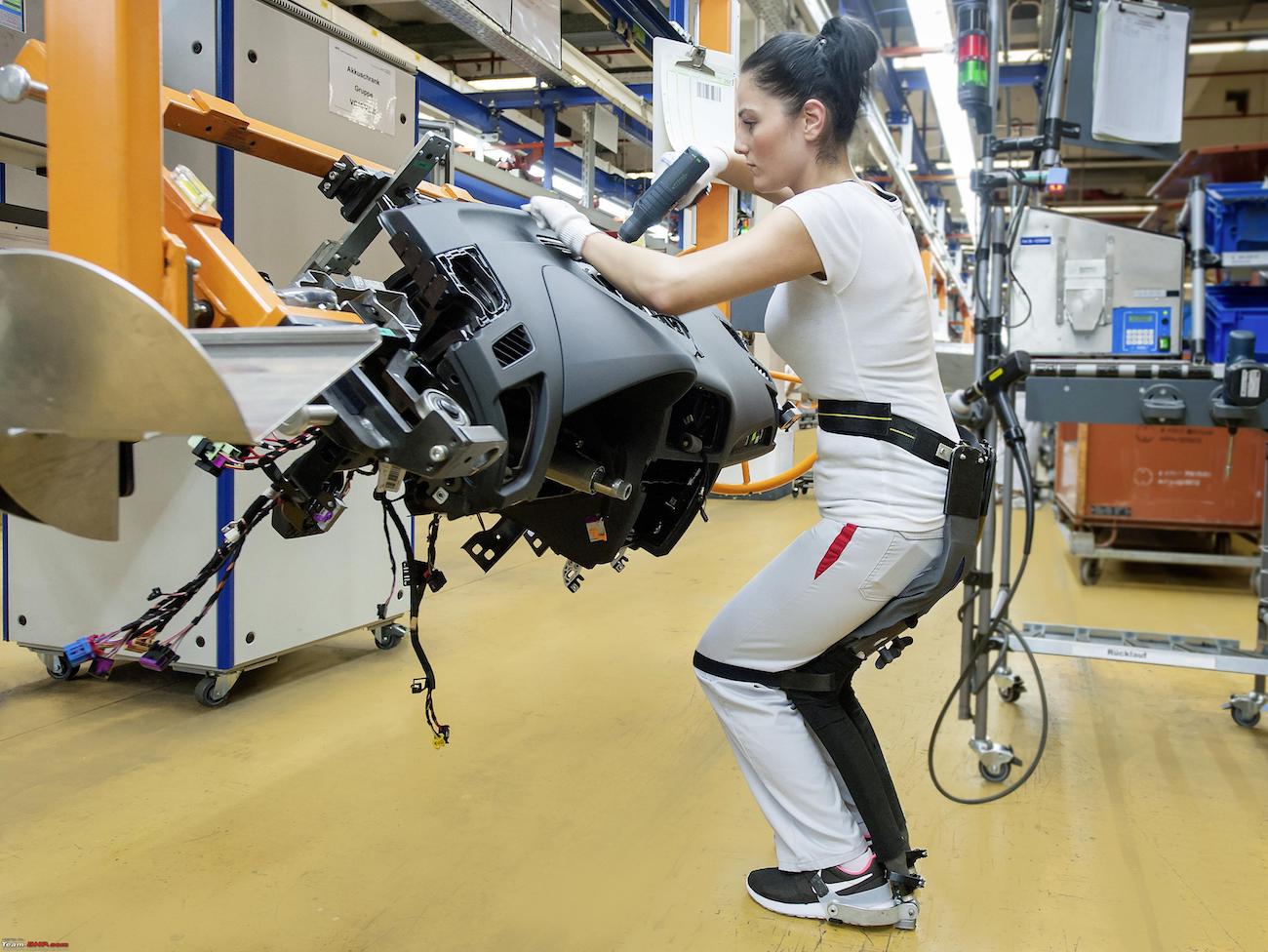
- Manufacturing and Logistics: In industries requiring prolonged standing, the CCE can significantly reduce worker fatigue and the risk of musculoskeletal injuries. This leads to increased productivity and a healthier workforce.
- Military and Emergency Services: The CCE can provide enhanced support and endurance for personnel in demanding situations, allowing them to perform their duties effectively for extended periods.
- Gaming and Virtual Reality: The CCE can create immersive and engaging experiences in virtual reality environments, providing realistic and comfortable support for extended periods of gameplay.
Revolutionizing the Workplace:
The CCE’s impact on the workplace is potentially transformative. In office environments, it offers a revolutionary alternative to traditional chairs, promoting better posture, reducing back pain, and increasing productivity. Employees can seamlessly transition between standing and "seated" positions without interrupting their workflow. This dynamic support system can lead to a healthier and more engaged workforce, reducing absenteeism and healthcare costs.
Moreover, the CCE’s adaptability makes it suitable for diverse work environments, from office settings to manufacturing floors. It can be easily integrated into existing workflows, requiring minimal disruption to existing infrastructure. The potential cost savings associated with reduced healthcare expenses and increased productivity make the CCE a compelling investment for businesses.
Addressing Concerns and Challenges:
While the CCE presents numerous advantages, several challenges need to be addressed:
- Cost: The initial cost of the CCE is likely to be high, potentially limiting its accessibility to a wider population. However, as production scales and technology advances, the cost is expected to decrease significantly.
- Ergonomics and Fit: Ensuring a comfortable and safe fit for a diverse range of users is crucial. Advanced customization options and precise biometric measurements will be essential to address this challenge.
- Battery Life and Charging: The battery life of the CCE needs to be sufficient for a full workday, and the charging process needs to be convenient and efficient. Advances in battery technology are crucial in this area.
- Social Acceptance: The adoption of the CCE will depend on its social acceptance. Addressing potential concerns about its appearance and its impact on social interactions will be crucial for widespread adoption.
The Future of the Chairless Chair:
The Chairless Chair Exoskeleton represents a significant leap forward in wearable technology. By 2025, we can expect to see further refinements in its design, functionality, and affordability. Continuous advancements in materials science, robotics, and artificial intelligence will lead to even more comfortable, efficient, and adaptable exoskeletons. The CCE’s potential to revolutionize how we work, live, and interact with our environment is immense. It’s not just a new type of chair; it’s a paradigm shift in human-technology interaction, paving the way for a future where comfort, mobility, and productivity are seamlessly integrated. The Chairless Chair Exoskeleton is not just a technological marvel; it’s a testament to human ingenuity and our unwavering pursuit of a better, more comfortable future. The journey has just begun, and the possibilities are endless.

Closure
Thus, we hope this article has provided valuable insights into The Chairless Chair Exoskeleton: Redefining Posture and Mobility in 2025. We hope you find this article informative and beneficial. See you in our next article!