The Allure Of The Bare: Exploring Hairless Cat Breeds In 2025
The Allure of the Bare: Exploring Hairless Cat Breeds in 2025
Related Articles: The Allure of the Bare: Exploring Hairless Cat Breeds in 2025
Introduction
With great pleasure, we will explore the intriguing topic related to The Allure of the Bare: Exploring Hairless Cat Breeds in 2025. Let’s weave interesting information and offer fresh perspectives to the readers.
Table of Content
The Allure of the Bare: Exploring Hairless Cat Breeds in 2025

Hairless cats, with their unique and often striking appearance, continue to captivate cat lovers worldwide. Far from being simply a novelty, these breeds possess distinct personalities and require specialized care. While the initial image might conjure a slightly unsettling image, the reality is a diverse range of affectionate companions, each with their own charming quirks. In 2025, understanding these breeds extends beyond mere aesthetics, encompassing responsible ownership and appreciation for their inherent needs.
This article delves into the fascinating world of hairless cat breeds, exploring their origins, physical characteristics, temperaments, health considerations, and the specific care they require to thrive. We will examine some of the most popular breeds, highlighting their individual nuances and helping potential owners make informed decisions.
Understanding the "Hairless" Phenomenon:
The absence of fur in these breeds isn’t a complete lack of hair. Instead, they possess a fine, downy fuzz, often barely perceptible to the touch. This sparse coat, or lack thereof, is a result of genetic mutations affecting hair follicle development. This genetic trait, while visually striking, also influences several aspects of their physiology, requiring a nuanced approach to their care.
Popular Hairless Cat Breeds in 2025:
Several hairless cat breeds have gained popularity, each with its own distinctive features:
-
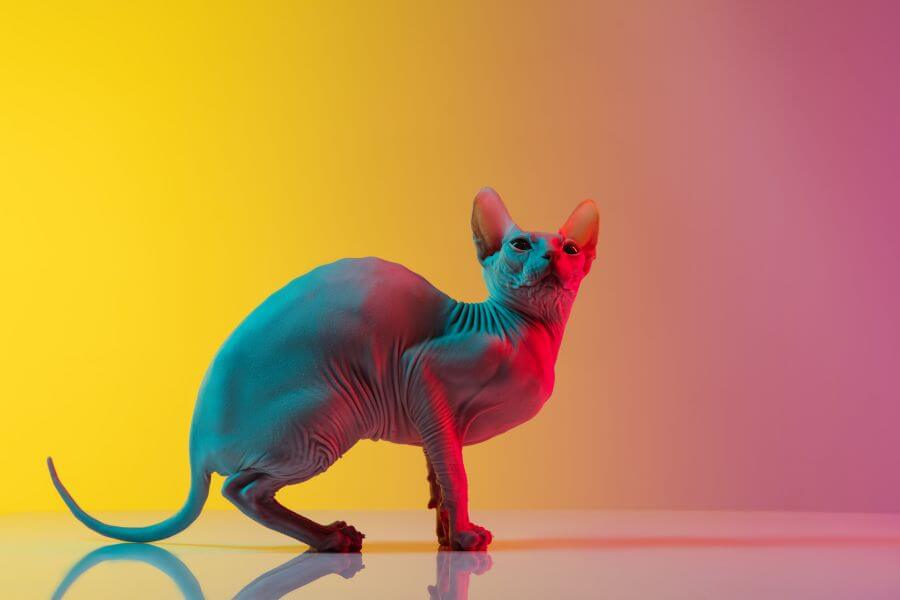
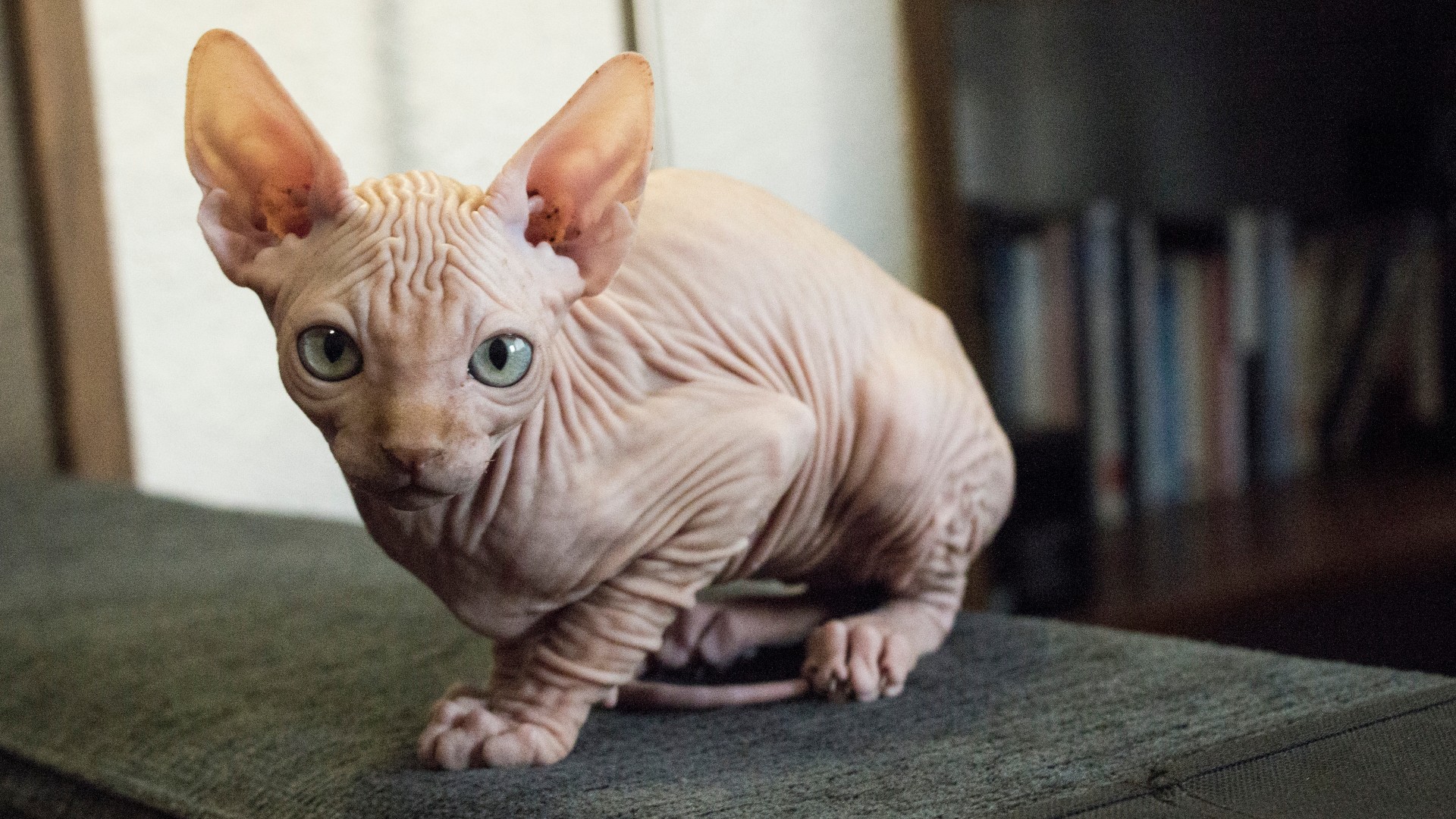
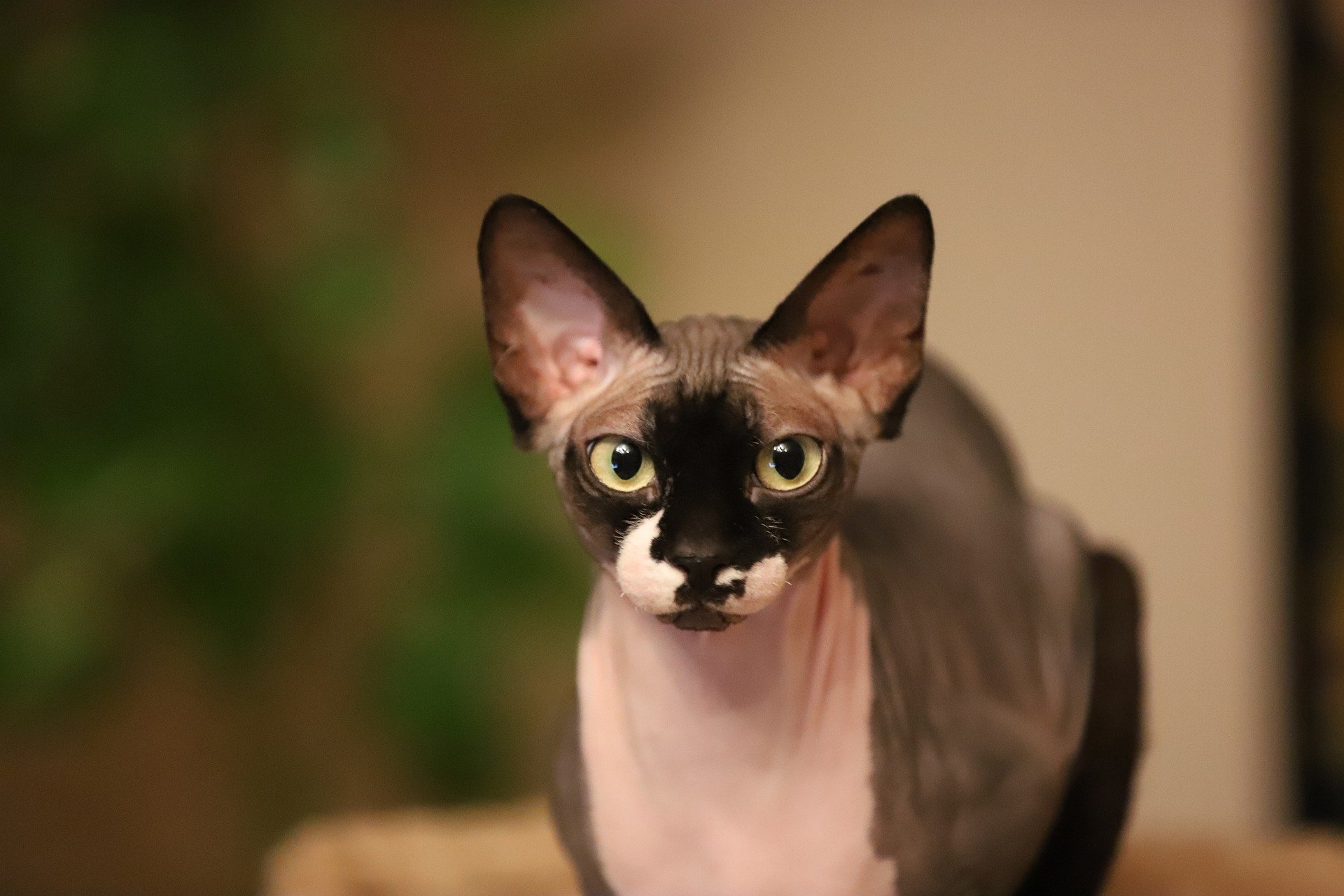
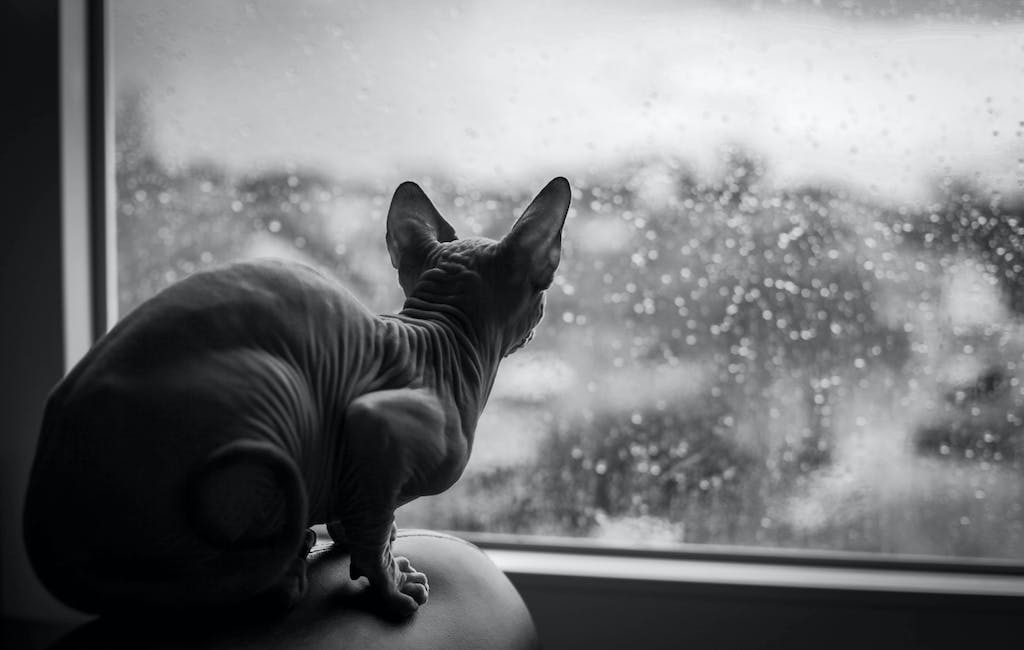
Sphynx: Arguably the most well-known hairless breed, the Sphynx is characterized by its wrinkled skin, large ears, and expressive eyes. Their lack of fur gives them a somewhat alien-like appearance, contributing to their unique charm. Modern Sphynx breeding programs have focused on refining their physique and temperament, resulting in cats that are often described as playful, intelligent, and highly social. However, their lack of fur necessitates careful attention to sun exposure and temperature regulation.
-
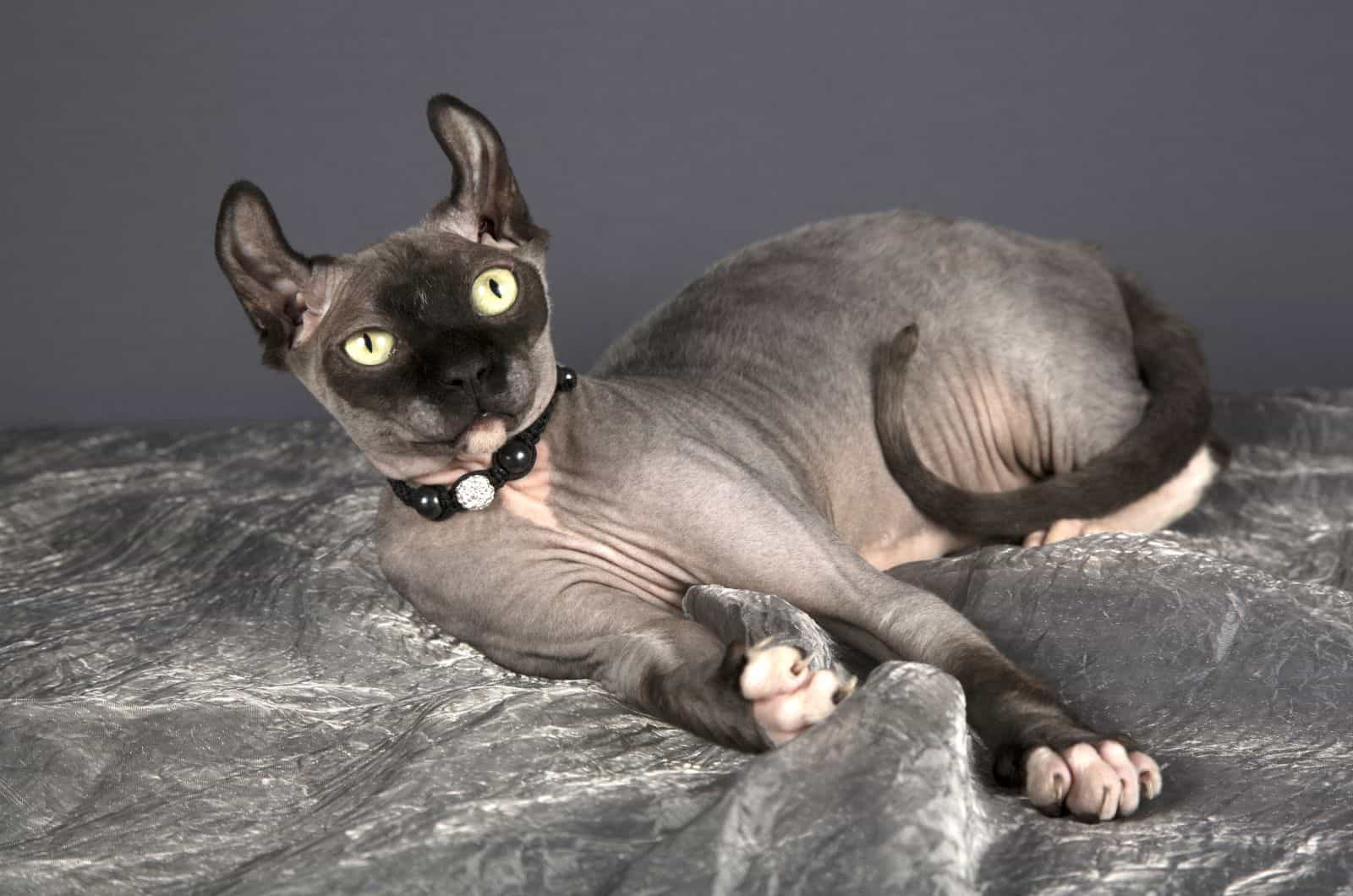
Donskoy: Originating in Russia, the Donskoy, or Don Sphynx, shares similarities with the Sphynx but often possesses a slightly different coat texture. Some Donskoy cats may exhibit a fine, velvety down, while others are virtually hairless. Their personalities are typically described as friendly, curious, and affectionate, often forming strong bonds with their owners. Like the Sphynx, their sensitive skin requires protection from the elements.
-
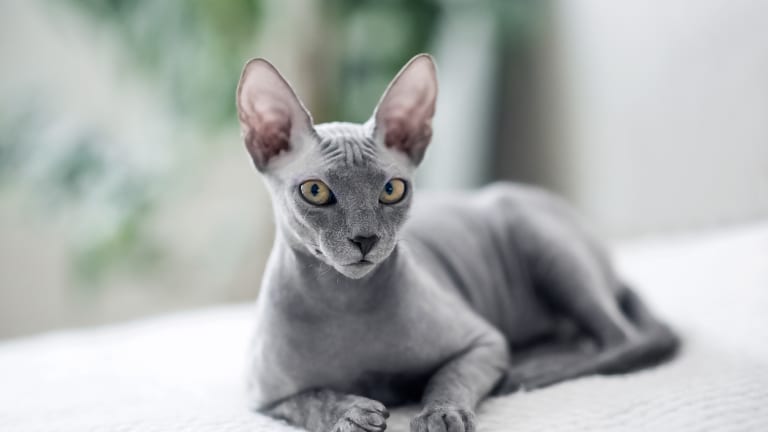
Peterbald: Developed through a cross between a Donskoy and an Oriental Shorthair, the Peterbald exhibits a wider range of coat types, from completely hairless to those with a fine, downy coat, or even a slightly longer, silky coat. This breed is known for its elegant physique, large, expressive eyes, and graceful movements. Their personalities are often described as playful, intelligent, and sociable, making them excellent companions for active individuals or families.
-
Lykoi (Werewolf Cat): A relatively newer breed, the Lykoi, or "werewolf cat," possesses a unique patchy coat that gives it its distinctive appearance. While not entirely hairless, they have areas of sparse fur, creating a mottled effect. This unique coat pattern is a result of a naturally occurring genetic mutation, making them a fascinating example of genetic diversity within the feline world. Their personalities are described as playful, intelligent, and relatively independent.
Caring for Your Hairless Cat:
Owning a hairless cat comes with unique responsibilities:
-
Temperature Regulation: Their lack of fur makes them highly susceptible to temperature fluctuations. They need a warm, draft-free environment, especially during colder months. Supplying them with cozy bedding, sweaters, or even heated pet beds can be crucial for their comfort.
-
Sun Protection: Hairless cats are extremely vulnerable to sunburn. Prolonged exposure to direct sunlight should be avoided. Using pet-safe sunscreen on exposed skin is highly recommended, particularly during peak sun hours.
-
Skin Care: Regular bathing is often necessary to keep their skin clean and healthy. Specialized shampoos formulated for sensitive skin are essential. Regular skin checks can help detect any early signs of skin irritation or infection.
-
Dental Hygiene: Like all cats, hairless breeds require regular dental care to prevent periodontal disease. Brushing their teeth regularly and providing dental chews can contribute to their oral health.
-
Nutrition: A balanced diet rich in essential nutrients is vital for maintaining healthy skin and coat (or lack thereof). Consult with your veterinarian to determine the best dietary options for your hairless cat.
Health Considerations:
While generally healthy, hairless cats are prone to certain health issues:
-
Hypertrophic Cardiomyopathy (HCM): A common heart condition in cats, HCM can affect hairless breeds. Regular veterinary check-ups, including echocardiograms, are recommended to monitor heart health.
-
Skin Conditions: Their sensitive skin is prone to various skin problems, including allergies, infections, and acne. Early detection and treatment are crucial to prevent complications.
-
Dental Issues: Poor dental hygiene can lead to periodontal disease, which can have serious systemic consequences.
-
Inherited Conditions: Responsible breeding practices are vital to minimize the risk of inherited conditions. Choosing a reputable breeder is crucial when selecting a hairless cat.
Choosing a Hairless Cat Breed:
The decision to adopt a hairless cat should be made after careful consideration of their unique needs. Researching different breeds, understanding their temperaments, and assessing your lifestyle are crucial steps. Choosing a reputable breeder who prioritizes the health and well-being of their cats is paramount. Adopting a hairless cat from a rescue organization is another excellent option, offering a loving home to a deserving animal.
Conclusion:
Hairless cats, with their captivating appearance and unique personalities, offer a rewarding companionship experience for those prepared to meet their specific needs. Their sensitive skin and susceptibility to temperature changes require dedicated care, but the bond formed with these remarkable creatures is often described as exceptionally strong and fulfilling. In 2025 and beyond, responsible ownership, informed decisions, and a deep understanding of these breeds will ensure their continued health and well-being, allowing these fascinating felines to thrive in loving homes. By embracing their unique characteristics and providing the necessary care, we can celebrate the allure of the bare and appreciate the distinctive charm of these exceptional cats.


Closure
Thus, we hope this article has provided valuable insights into The Allure of the Bare: Exploring Hairless Cat Breeds in 2025. We appreciate your attention to our article. See you in our next article!