Revolutionizing Your Look: Free AI-Powered Hairstyle Change Tools In 2025
Revolutionizing Your Look: Free AI-Powered Hairstyle Change Tools in 2025
Related Articles: Revolutionizing Your Look: Free AI-Powered Hairstyle Change Tools in 2025
Introduction
With enthusiasm, let’s navigate through the intriguing topic related to Revolutionizing Your Look: Free AI-Powered Hairstyle Change Tools in 2025. Let’s weave interesting information and offer fresh perspectives to the readers.
Table of Content
Revolutionizing Your Look: Free AI-Powered Hairstyle Change Tools in 2025
The year is 2025. The beauty industry has been irrevocably altered by the rise of artificial intelligence. Gone are the days of painstakingly flipping through magazines or relying on potentially inaccurate online filters. Now, free, readily accessible AI tools offer unprecedented accuracy and convenience in virtually trying on new hairstyles – a revolution for anyone contemplating a change. This article delves into the world of free AI-powered hairstyle change applications in 2025, exploring their capabilities, limitations, and the future of this rapidly evolving technology.
The Rise of AI-Driven Virtual Makeovers:
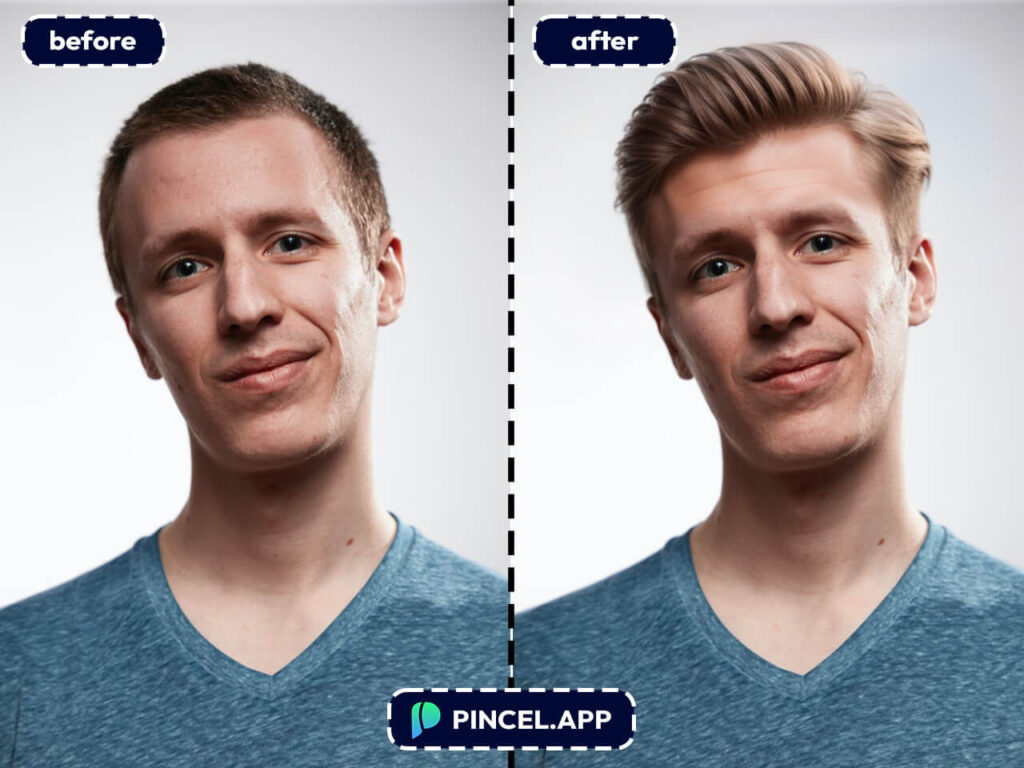
The demand for virtual hairstyle try-ons has always existed, but the limitations of early technology hindered its widespread adoption. Blurry filters, unrealistic results, and the need for specific software or hardware created significant barriers. However, advancements in AI, particularly in deep learning and computer vision, have overcome these challenges. Today’s free AI tools leverage sophisticated algorithms capable of analyzing facial features with remarkable precision, creating highly realistic simulations of how different hairstyles would look on an individual.
These tools utilize several key AI techniques:
- Facial Feature Extraction: AI algorithms meticulously analyze uploaded photographs, identifying key facial features like face shape, hairline, and even the texture of the hair. This detailed analysis forms the basis for accurate hairstyle placement and rendering.
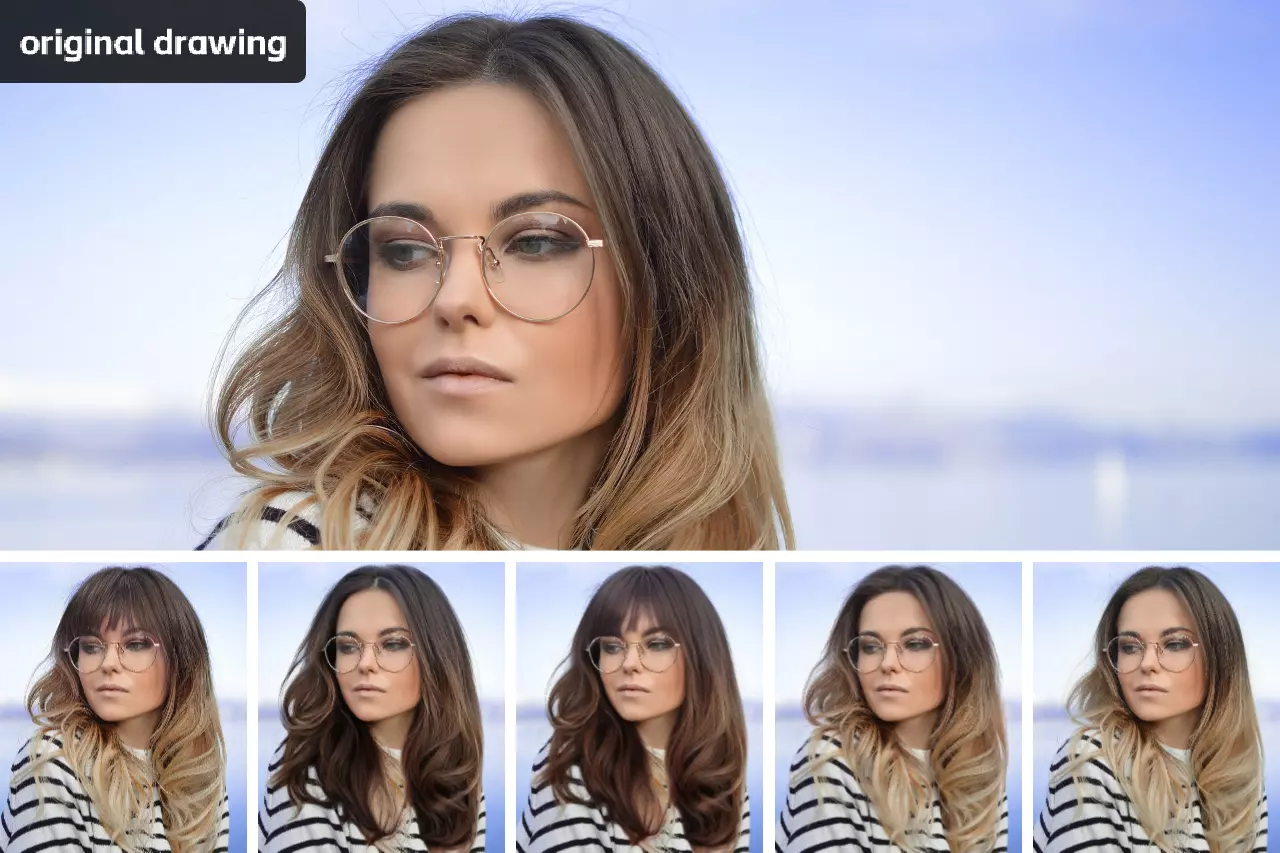
- Generative Adversarial Networks (GANs): GANs are a powerful class of AI models used to generate realistic images. In the context of hairstyle changes, GANs are trained on massive datasets of images depicting diverse hairstyles and face shapes. This training allows the AI to generate highly realistic simulations of different hairstyles on your face.
- Style Transfer: This technique allows the AI to transfer the style of a chosen hairstyle onto your own image, seamlessly blending it with your facial features. This ensures a more natural and believable result compared to older, simpler techniques.
- 3D Modeling: Some advanced tools utilize 3D modeling techniques to create even more realistic simulations. These tools create a 3D model of your head and hair, allowing for a more dynamic and interactive experience. The user can often manipulate the hairstyle’s parameters, such as length, volume, and color, to fine-tune the virtual makeover.
Accessibility and User Experience:
One of the most significant advancements is the accessibility of these tools. In 2025, most free AI-powered hairstyle change applications are accessible via web browsers or mobile apps, requiring minimal technical expertise. The user experience is designed to be intuitive and user-friendly, often involving a simple upload of a photograph and a selection from a vast library of hairstyles. Many platforms also allow users to upload their own images of hairstyles they find appealing, giving them even greater control over the virtual makeover process.
Features of Advanced Free AI Hairstyle Change Tools in 2025:
- Extensive Hairstyle Library: Expect a vast database of hairstyles, categorized by length, style, color, and texture. The library will include contemporary trends as well as classic styles, catering to a wide range of preferences.
- Real-Time Adjustments: Many tools offer real-time adjustments, allowing users to experiment with different parameters and instantly see the results. This interactive element makes the experience engaging and efficient.
- Hair Color Simulation: Accurate hair color simulation is a key feature. Users can experiment with various shades and highlights, seeing how they would complement their complexion.
- Makeup Integration: Some advanced tools integrate makeup simulations, allowing users to visualize a complete makeover, including hairstyle, makeup, and accessories.
- Sharing Options: Users can easily share their virtual makeovers on social media platforms, seeking feedback from friends and family.
- Augmented Reality (AR) Integration: Some apps may incorporate AR technology, allowing users to see the virtual hairstyle superimposed onto their real-time image through their phone’s camera. This provides a more immersive and realistic preview.
Limitations and Considerations:
While the technology has made significant strides, it’s important to acknowledge its limitations:
- Accuracy Limitations: While AI tools have become remarkably accurate, they may still struggle with certain hair types or complex hairstyles. The results are best viewed as a guide rather than a perfect representation of the final outcome.
- Image Quality Dependence: The accuracy of the simulation heavily depends on the quality of the uploaded photograph. A poorly lit or blurry image will result in less accurate results.
- Hair Texture and Density: Accurately simulating hair texture and density remains a challenge. While improvements have been made, the results may not always perfectly reflect the user’s hair characteristics.
- Ethical Considerations: The use of AI in the beauty industry raises ethical considerations, particularly concerning data privacy and the potential for unrealistic beauty standards. Responsible data handling and transparent practices are crucial.
The Future of AI-Powered Hairstyle Change:
The future of AI-powered hairstyle change tools is bright. We can anticipate even more realistic simulations, improved user interfaces, and greater integration with other beauty-related technologies. Expect:
- Personalized Recommendations: AI algorithms will become increasingly sophisticated in analyzing facial features and recommending hairstyles that best suit individual characteristics.
- Hair Health Analysis: AI may be integrated with tools that analyze hair health and provide personalized recommendations for hair care products.
- Virtual Consultations: AI-powered tools could facilitate virtual consultations with hairstylists, allowing users to discuss their desired look and receive personalized advice.
- Hyper-Realistic Simulations: The use of advanced 3D modeling and rendering techniques will lead to even more realistic and immersive virtual makeovers.
Conclusion:
Free AI-powered hairstyle change tools are transforming the way people explore and choose new hairstyles. In 2025, these tools offer a convenient, accessible, and relatively accurate way to visualize different looks before committing to a change. While limitations remain, the rapid advancements in AI promise an even more sophisticated and personalized experience in the years to come. These tools are not just about convenience; they empower individuals to experiment with their appearance, boosting confidence and self-expression in a fun and engaging way. The future of hair styling is undeniably intertwined with the power of artificial intelligence.



Closure
Thus, we hope this article has provided valuable insights into Revolutionizing Your Look: Free AI-Powered Hairstyle Change Tools in 2025. We appreciate your attention to our article. See you in our next article!