Putting Your Face On A Hairstyle: The 2025 Trend Of Personalized Digital Hair
Putting Your Face on a Hairstyle: The 2025 Trend of Personalized Digital Hair
Related Articles: Putting Your Face on a Hairstyle: The 2025 Trend of Personalized Digital Hair
Introduction
With enthusiasm, let’s navigate through the intriguing topic related to Putting Your Face on a Hairstyle: The 2025 Trend of Personalized Digital Hair. Let’s weave interesting information and offer fresh perspectives to the readers.
Table of Content
Putting Your Face on a Hairstyle: The 2025 Trend of Personalized Digital Hair

The year is 2025. The selfie has evolved beyond a simple snapshot. It’s become a powerful tool for self-expression, integrated seamlessly into the fabric of our daily lives. This integration is particularly evident in the burgeoning trend of personalized digital hairstyles – a revolutionary approach to hair styling that allows you to "try on" any hairstyle imaginable, digitally placing your face onto a realistic simulation. This isn’t just about browsing through stock photos; this is about creating a hyper-realistic preview of how a specific cut, color, and styling would look on you, factoring in your unique facial features, skin tone, and even hair texture.
This technological leap has been fueled by several converging factors. Advances in artificial intelligence (AI), particularly in image recognition and generative modeling, have made it possible to create incredibly lifelike digital representations of hairstyles. High-resolution 3D scanning technology, readily accessible through smartphone apps and dedicated salons, captures detailed facial features and hair characteristics with unprecedented accuracy. Finally, the increasing power and affordability of mobile devices and cloud computing have democratized access to these sophisticated tools, making them available to a wider audience than ever before.
The Technology Behind the Trend:
The process of putting your face on a hairstyle in 2025 is surprisingly straightforward. The core technology relies on a combination of:
-
3D Facial Scanning: Using either a dedicated 3D scanner or a sophisticated smartphone app, a detailed 3D model of your face is created. This model captures not only the shape of your face but also subtle details like skin texture and even the placement of freckles or moles.
-
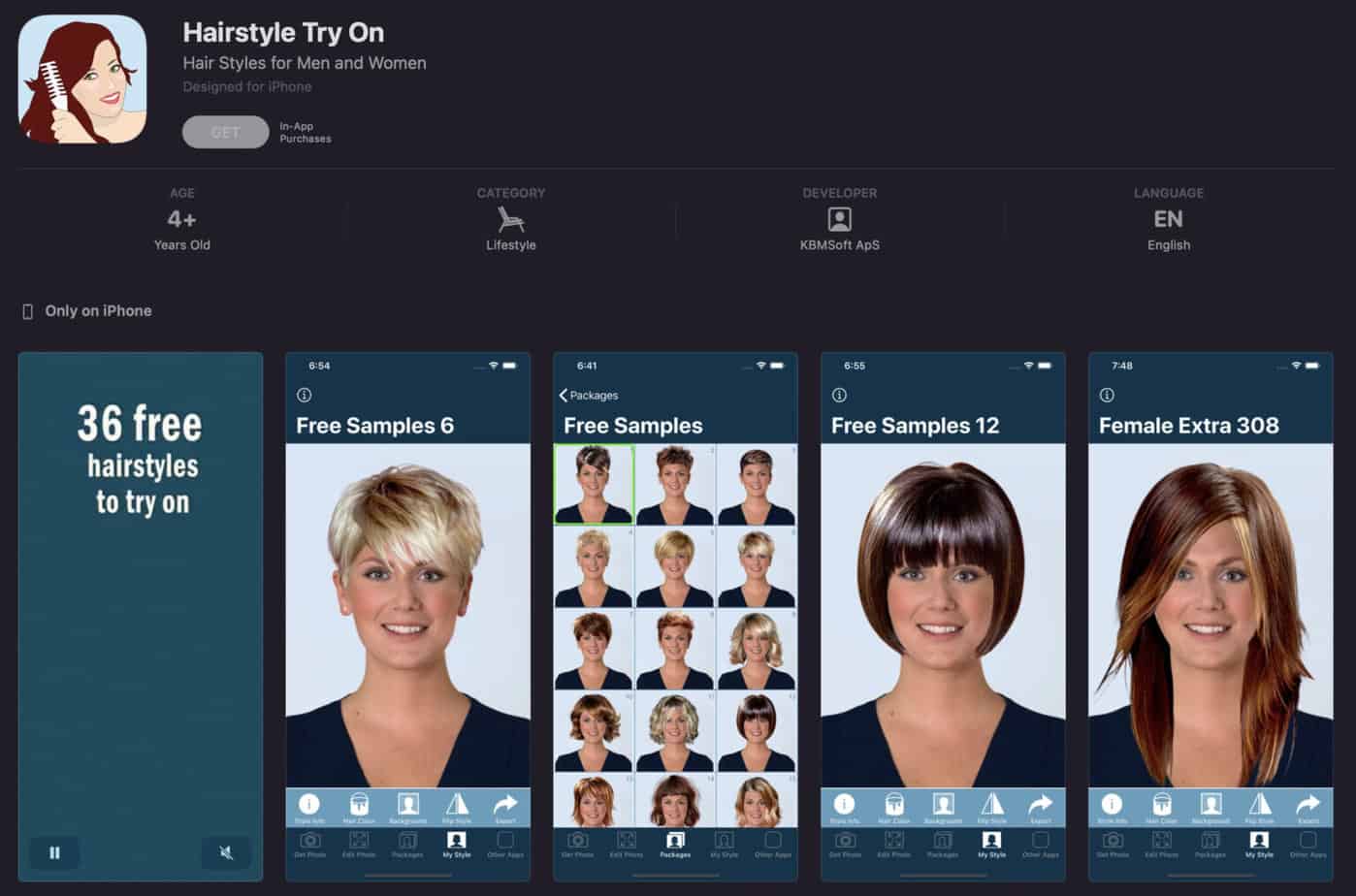
AI-Powered Hair Modeling: This is where the magic happens. Sophisticated AI algorithms analyze your facial features and suggest hairstyles that complement your face shape. Users can then browse a vast library of hairstyles, ranging from classic bobs to avant-garde cuts, all rendered in high fidelity. The AI also considers factors like hair density and texture, ensuring a more realistic simulation.
-
Real-Time Rendering: The chosen hairstyle is then seamlessly integrated onto your 3D facial model, creating a realistic preview. Users can adjust various parameters, including hair color, length, and styling, in real-time, allowing for immediate feedback and experimentation. This often includes options for highlighting, balayage, and other coloring techniques.
-
Augmented Reality (AR) Integration: Many apps incorporate AR technology, allowing users to see the virtual hairstyle superimposed onto their actual reflection. This provides an even more immersive and realistic experience, further bridging the gap between the digital and physical worlds.
Beyond the Virtual Try-On:
The implications of this technology extend far beyond simple virtual try-ons. Personalized digital hairstyles are transforming various aspects of the beauty industry:
-
Reduced Salon Visits and Waste: By allowing users to preview hairstyles at home, this technology reduces the need for multiple consultations and trial-and-error sessions at salons. This also minimizes the waste associated with experimental haircuts and coloring.
-
Enhanced Communication Between Clients and Stylists: The realistic simulations provide a common visual language for clients and stylists, facilitating clearer communication and reducing the risk of misinterpretations. Clients can share their personalized digital hairstyles with their stylists, ensuring both parties are on the same page before any actual cutting or coloring begins.
-
Accessibility for People with Disabilities: For individuals with mobility limitations or other disabilities, this technology offers a convenient and accessible way to explore different hairstyles without the need for physical visits to salons.
-
Creative Exploration and Self-Expression: The ability to experiment with a vast range of hairstyles empowers individuals to explore their personal style and express their creativity in new and exciting ways. It opens up possibilities for individuals who might be hesitant to make drastic changes to their physical appearance.
-
E-commerce Integration: The technology is seamlessly integrated with online hair product retailers. Users can not only try on hairstyles but also purchase the products recommended for achieving that specific look. This creates a streamlined and personalized shopping experience.
Challenges and Considerations:
Despite its potential, the technology faces some challenges:
-
Data Privacy: The collection and use of 3D facial data raise significant privacy concerns. Robust security measures and transparent data policies are crucial to ensure user trust and protect sensitive information.
-
Accuracy and Realism: While AI has made significant strides, achieving perfect realism remains a challenge. Variations in lighting, hair texture, and individual features can affect the accuracy of the simulations.
-
Accessibility and Equity: Ensuring equitable access to this technology is crucial. The cost of high-resolution 3D scanners and the need for reliable internet access could create disparities in access, potentially excluding certain populations.
-
Ethical Considerations: The potential for misuse of this technology, such as creating deepfakes or perpetuating unrealistic beauty standards, needs careful consideration. Ethical guidelines and regulations are necessary to mitigate these risks.
The Future of Personalized Digital Hairstyles:
The future of personalized digital hairstyles is bright. We can expect to see further advancements in AI, leading to even more realistic and accurate simulations. The integration of virtual and augmented reality will become even more seamless, creating truly immersive experiences. The technology will likely be integrated into other areas, such as virtual fashion and virtual try-ons for makeup and accessories.
Ultimately, the trend of putting your face on a hairstyle in 2025 represents a significant shift in how we approach personal style and self-expression. It’s a testament to the power of technology to empower individuals and revolutionize industries. By addressing the challenges and embracing the opportunities, this technology has the potential to transform the way we interact with beauty and fashion, making self-discovery and personalization more accessible and enjoyable than ever before. The future is not just about trying on hairstyles; it’s about crafting a digital representation of your ideal self, one perfectly styled strand at a time.



Closure
Thus, we hope this article has provided valuable insights into Putting Your Face on a Hairstyle: The 2025 Trend of Personalized Digital Hair. We thank you for taking the time to read this article. See you in our next article!