Hairstyles That Promote Hair Growth In 2025: A Holistic Approach To Healthy Hair
Hairstyles that Promote Hair Growth in 2025: A Holistic Approach to Healthy Hair
Related Articles: Hairstyles that Promote Hair Growth in 2025: A Holistic Approach to Healthy Hair
Introduction
In this auspicious occasion, we are delighted to delve into the intriguing topic related to Hairstyles that Promote Hair Growth in 2025: A Holistic Approach to Healthy Hair. Let’s weave interesting information and offer fresh perspectives to the readers.
Table of Content
Hairstyles that Promote Hair Growth in 2025: A Holistic Approach to Healthy Hair

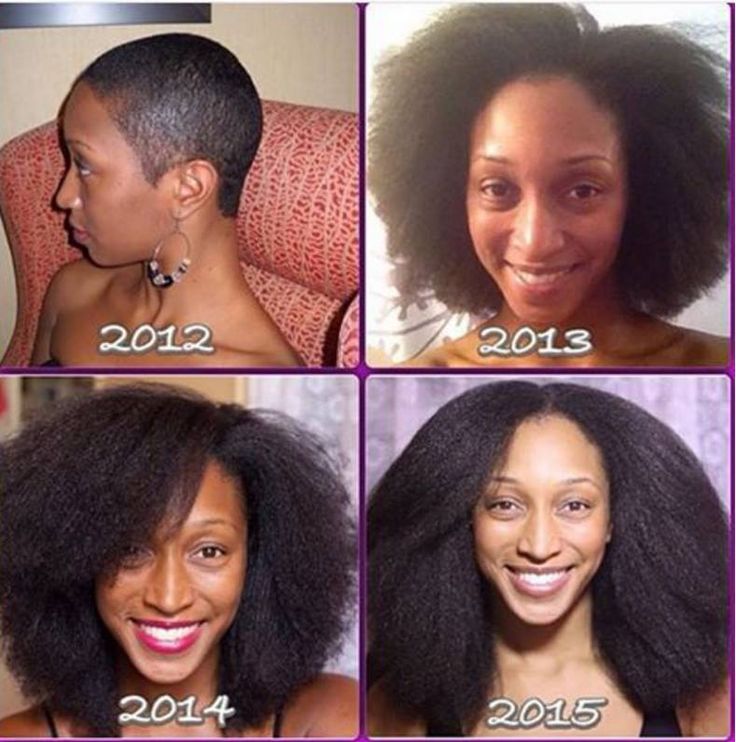
The quest for luscious, long locks is timeless. In 2025, the conversation around hair growth transcends simple product recommendations. We understand now that healthy hair growth is a holistic process, influenced by genetics, diet, stress levels, and even the way we style our hair. This article delves into the fascinating intersection of hairstyling and hair health, exploring specific styles that minimize damage and optimize conditions for robust growth. We’ll also discuss the crucial supporting factors that ensure any hairstyle contributes positively to your hair journey.
Understanding the Hair Growth Cycle and Potential Damage:
Before we dive into specific hairstyles, let’s briefly revisit the hair growth cycle. Hair grows in three phases: anagen (growth), catagen (transition), and telogen (resting). Most hair loss is related to prolonged telogen phase or premature entry into the telogen phase. Many hairstyles, while aesthetically pleasing, can inadvertently disrupt this cycle, leading to breakage, traction alopecia, and ultimately, slower growth. Common culprits include tight styles that pull on the hair follicles, harsh chemical treatments, and excessive heat styling.
Hairstyles that Minimize Damage and Encourage Growth:
The key to choosing growth-promoting hairstyles lies in minimizing tension, friction, and heat exposure. Here are some styles that align with these principles:
1. Loose, Protective Styles:
-
Loose Braids: Unlike tight braids that pull on the scalp, loose braids offer a protective barrier against environmental damage while allowing for good scalp ventilation. Variations like Dutch braids, fishtail braids, or even simple three-strand braids, when kept loose, are excellent choices. Remember to avoid over-tightening and to regularly loosen them to prevent scalp irritation.
-
Loose Buns and Top Knots: Similar to loose braids, these styles keep hair neatly gathered without excessive tension. Opt for styles that don’t pull tightly at the crown and avoid using tight elastics or hair ties. Using scrunchies or fabric-covered elastics is gentler on the hair.
-
Protective Styles with Extensions (Low-Tension): Extensions can be a wonderful way to protect your natural hair from daily wear and tear, allowing it to grow undisturbed. However, the crucial element here is low tension. Choose methods like sew-in weaves with large braids or clip-in extensions that don’t tug at your scalp. Avoid styles that involve excessive braiding or pulling.
2. Low-Manipulation Styles:
-
The "Wash and Go": For those with naturally curly or coily hair, embracing the natural texture through a "wash and go" style minimizes manipulation and reduces breakage. This involves cleansing and conditioning the hair, applying a leave-in conditioner, and allowing it to air dry naturally.
-
Twist-Outs and Braid-Outs: These styles involve twisting or braiding damp hair and then allowing it to dry naturally or using a diffuser. They offer a defined look without the excessive tension of tightly braided styles. Using moisturizing products is essential to prevent dryness and breakage.
-
Second-Day Hair: Embracing your second-day hair style minimizes the need for daily styling, reducing heat and manipulation. Use dry shampoo to refresh your hair and maintain volume.
3. Styles that Encourage Scalp Health:
-
Updos with Volume at the Crown: Styles that lift the hair away from the scalp at the crown can improve scalp circulation, which is crucial for hair growth. However, ensure the style isn’t too tight.
-
Head Massages: Incorporating regular scalp massages into your hair care routine can stimulate blood flow to the hair follicles, promoting growth. This can be done during shampooing or as a standalone practice. You can even incorporate scalp massage into some updo styles.
Supporting Factors for Optimal Hair Growth:
Choosing the right hairstyle is only part of the equation. Several other factors significantly impact hair growth:
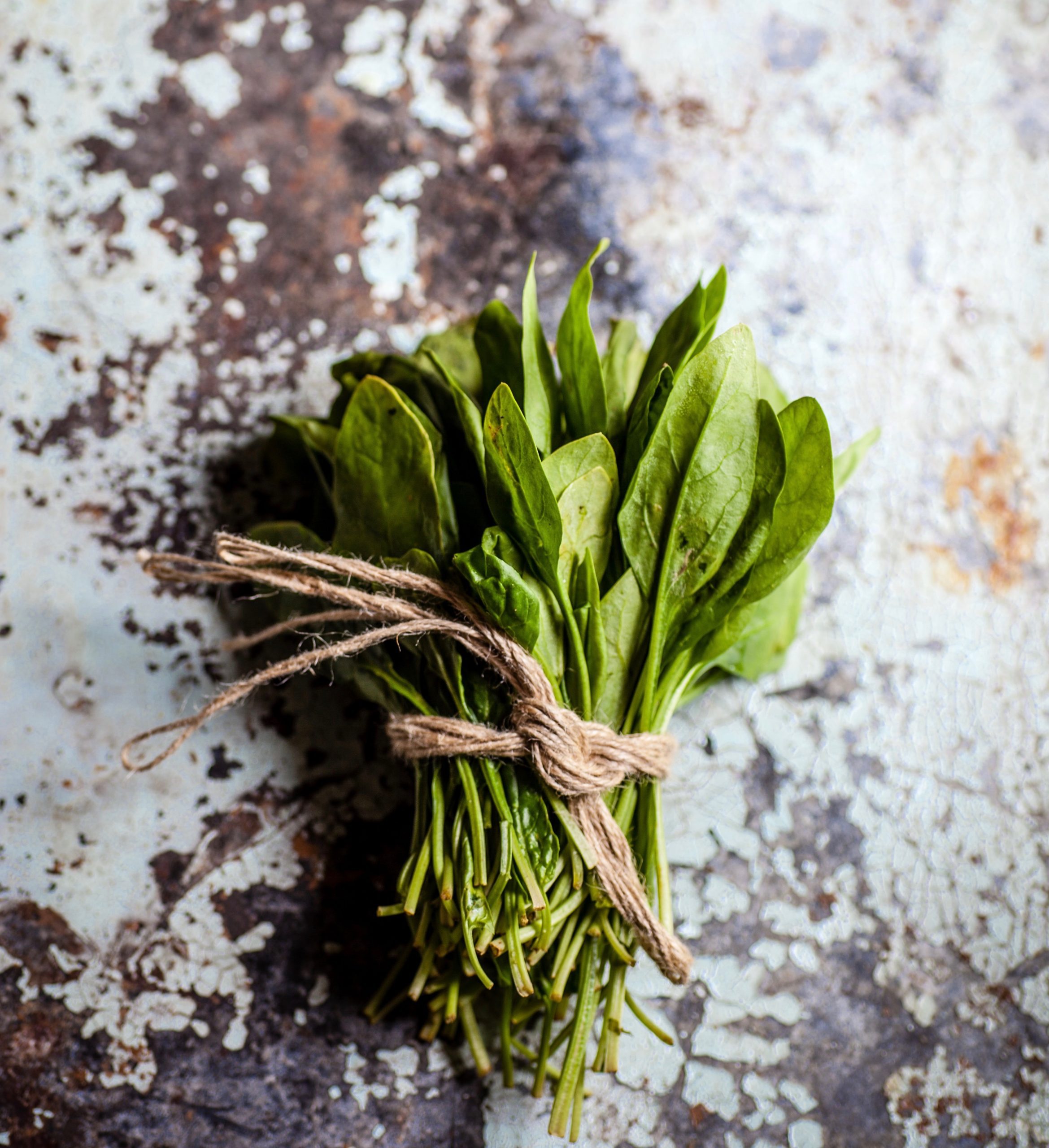
1. Nutrition: A balanced diet rich in protein, iron, zinc, biotin, and vitamins A, C, and D is essential for healthy hair growth. Focus on consuming lean protein sources, leafy greens, fruits, and vegetables.
2. Hydration: Drinking plenty of water keeps your hair hydrated from the inside out, preventing dryness and breakage.
3. Stress Management: High stress levels can disrupt the hair growth cycle, leading to hair shedding. Practicing stress-reducing techniques like yoga, meditation, or spending time in nature is crucial.
4. Gentle Hair Care Practices:
- Avoid harsh chemicals: Minimize the use of harsh chemicals found in many hair dyes, relaxers, and other styling products.
- Limit heat styling: Excessive heat from flat irons, curling irons, and blow dryers can damage the hair shaft, leading to breakage. Air drying is always preferable.
- Use gentle hair products: Opt for sulfate-free and silicone-free shampoos and conditioners that are specifically formulated for your hair type.
- Be mindful of brushing: Use a wide-tooth comb or a detangling brush to minimize breakage, especially when detangling wet hair.
5. Regular Trims: Regular trims (every 6-8 weeks) help remove split ends, preventing further damage and promoting healthy growth.
6. Scalp Health: Maintaining a healthy scalp is paramount for healthy hair growth. Look out for signs of dandruff, dryness, or other scalp conditions and address them promptly.
Conclusion:
In 2025, the approach to hair growth is holistic and multifaceted. While choosing the right hairstyle is important, it’s only one piece of the puzzle. By combining low-tension, protective styles with a healthy diet, stress management techniques, and gentle hair care practices, you can significantly improve the health and growth of your hair. Remember, patience and consistency are key. Embrace a nurturing approach to your hair, and you’ll be well on your way to achieving the luscious locks you desire. Consult with a trichologist or dermatologist if you have concerns about hair loss or scalp health. They can provide personalized advice and treatment options.



Closure
Thus, we hope this article has provided valuable insights into Hairstyles that Promote Hair Growth in 2025: A Holistic Approach to Healthy Hair. We thank you for taking the time to read this article. See you in our next article!