Growing Out Your Hairstyle In 2025: A Woman’s Guide To Graceful Transitions
Growing Out Your Hairstyle in 2025: A Woman’s Guide to Graceful Transitions
Related Articles: Growing Out Your Hairstyle in 2025: A Woman’s Guide to Graceful Transitions
Introduction
In this auspicious occasion, we are delighted to delve into the intriguing topic related to Growing Out Your Hairstyle in 2025: A Woman’s Guide to Graceful Transitions. Let’s weave interesting information and offer fresh perspectives to the readers.
Table of Content
Growing Out Your Hairstyle in 2025: A Woman’s Guide to Graceful Transitions
Growing out a hairstyle can feel like a marathon, especially when you’re accustomed to a specific look. But 2025 is all about embracing the journey, celebrating individuality, and finding creative ways to navigate the awkward stages. This comprehensive guide will equip you with the knowledge and inspiration to gracefully grow out your hair, whatever your starting point, incorporating the latest trends and techniques.
Understanding Your Starting Point:
Before embarking on your growing-out journey, honestly assess your current style. Are you transitioning from a pixie cut, a bob, bangs, layers, or a drastic color change? Understanding your starting point helps tailor your strategy for a smoother transition. Factors to consider include:
- Hair Type: Fine, thick, straight, wavy, curly – your hair texture significantly impacts how quickly it grows and how easily it can be styled during the awkward phases.
- Hair Length: The shorter your starting length, the more patience and strategic styling will be required.
- Desired Length: Having a clear vision of your final goal helps maintain motivation and focus throughout the process.
- Current Color: If you’ve recently dyed your hair, you’ll need to plan for root regrowth and potential color corrections.
Strategies for Growing Out Specific Styles:
1. Growing Out a Pixie Cut:
The pixie cut presents the most significant challenge, requiring patience and creativity. Strategic styling is key:
- Embrace the Gradual Growth: Instead of fighting the asymmetry, use styling products to create texture and volume. Texturizing sprays, mousses, and pomades can add definition and disguise uneven lengths.
- Consider a "Shag" Transition: As your hair grows, subtly ask your stylist to add layers to create a shag-like texture. This softens the lines and adds movement, making the growing-out process less noticeable.
- Accessorize: Headbands, scarves, and stylish clips can camouflage uneven lengths and add a touch of personality.
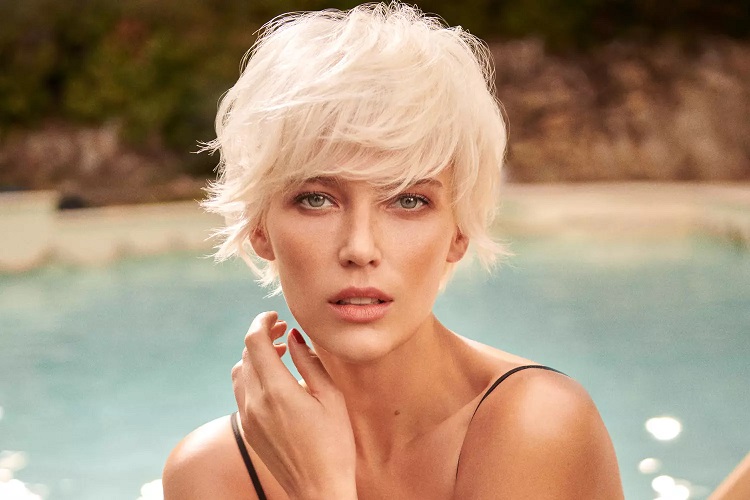
- Embrace the "Wolf Cut": This trendy style, featuring choppy layers and a textured fringe, is perfect for transitioning from a pixie. It embraces the uneven lengths and celebrates a more undone look.
2. Growing Out a Bob:
The bob is a more forgiving style to grow out. However, the awkward mid-length stage can still be challenging:
- Add Layers: Subtle layers can add shape and movement, preventing the hair from looking flat and lifeless.
- Experiment with Partings: Changing your parting can dramatically alter the look and feel of your hair, creating the illusion of more length.
- Embrace Half-Up Styles: These are perfect for managing the awkward length, keeping hair out of your face while showcasing the growing length.
- Utilize Hair Extensions: If you’re impatient, consider temporary clip-in extensions to bridge the gap to your desired length.
3. Dealing with Bangs:
Bangs are often the most challenging aspect of growing out a hairstyle.
- Grow Them Out Gradually: Avoid drastic cuts. Instead, gradually trim your bangs to a longer length over several appointments, allowing them to blend seamlessly with the rest of your hair.
- Style Them Differently: Experiment with side-swept bangs, pinning them back, or using styling products to create volume and texture.
- Utilize Headbands and Clips: These accessories can effectively keep bangs out of your face while they grow.
4. Managing Layers:
Layers can be tricky to grow out, often leading to a choppy or uneven appearance.
- Regular Trims: Regular trims (every 6-8 weeks) are crucial to maintain shape and prevent split ends. Ask your stylist to focus on blending the layers rather than removing significant length.
- Strategic Styling: Use styling products to create volume and movement, minimizing the appearance of choppy layers.
- Consider a Long Layer Cut: As your hair grows, this cut can help to create a more uniform and cohesive look.
Styling Techniques for the Growing-Out Phase:
- Braids: Braids are versatile and can camouflage uneven lengths. Experiment with different braid styles, such as fishtail braids, Dutch braids, or French braids.
- Updos: Updos are ideal for managing awkward lengths and showcasing your hair’s texture. Try messy buns, low ponytails, or half-up half-down styles.
- Hair Accessories: Headbands, scarves, clips, and barrettes are your best friends during the growing-out phase. They add personality and camouflage any unevenness.
- Dry Shampoo: Dry shampoo is a lifesaver for adding texture and volume, especially when your hair is growing out and may feel limp or greasy.
Hair Care for Growing Out Your Hair:
- Healthy Diet: A balanced diet rich in protein, vitamins, and minerals promotes hair growth and strength.
- Scalp Care: A healthy scalp is essential for healthy hair growth. Use gentle shampoos and conditioners, and consider scalp massages to stimulate blood flow.
- Minimize Heat Styling: Excessive heat styling can damage your hair and hinder growth. Air-drying is always the best option.
- Regular Trims: While you’re growing your hair out, regular trims are still important to remove split ends and maintain healthy hair.
- Deep Conditioning Treatments: Deep conditioning treatments help to keep your hair hydrated and strong, promoting healthy growth.
Embracing the Journey:
Growing out your hair is a journey, not a race. Embrace the process, experiment with different styles, and don’t be afraid to ask your stylist for advice and guidance. Remember, the awkward stages are temporary, and with patience and the right strategies, you’ll reach your desired length and style in no time. 2025 is about celebrating individuality and embracing your unique hair journey – so enjoy the ride!
Trend Predictions for 2025 Hair Growth:
- The "Gentle Layer" Approach: Instead of drastic layers, expect to see more subtle layering techniques that blend seamlessly with the overall hair length, creating movement without disrupting the growing-out process.
- Textured Bobs and Lobs: These styles are incredibly versatile and can be easily adapted to accommodate growing-out phases. Adding texture through products and styling techniques can mask uneven lengths.
- Natural Textures Celebrated: 2025 will continue to champion natural hair textures. Embrace your natural curls, waves, or straight hair and work with its natural properties during the growth phase.
- Statement Accessories: Expect to see a continued rise in the use of hair accessories to elevate the growing-out process. Bold headbands, clips, and scarves will be key elements in creating stylish looks.
- The "Undone" Aesthetic: Effortless, slightly messy styles will remain popular, making the growing-out phase less of a struggle and more of an opportunity to experiment with a relaxed and chic look.
By following these tips and embracing the latest trends, you can confidently navigate the process of growing out your hair in 2025 and emerge with a stunning, healthy mane. Remember, patience and a positive attitude are your greatest allies in this transformative journey.



Closure
Thus, we hope this article has provided valuable insights into Growing Out Your Hairstyle in 2025: A Woman’s Guide to Graceful Transitions. We appreciate your attention to our article. See you in our next article!