Does Styling Your Hair Cause Hair Loss In Men, 2025? A Comprehensive Look
Does Styling Your Hair Cause Hair Loss in Men, 2025? A Comprehensive Look
Related Articles: Does Styling Your Hair Cause Hair Loss in Men, 2025? A Comprehensive Look
Introduction
With great pleasure, we will explore the intriguing topic related to Does Styling Your Hair Cause Hair Loss in Men, 2025? A Comprehensive Look. Let’s weave interesting information and offer fresh perspectives to the readers.
Table of Content
Does Styling Your Hair Cause Hair Loss in Men, 2025? A Comprehensive Look

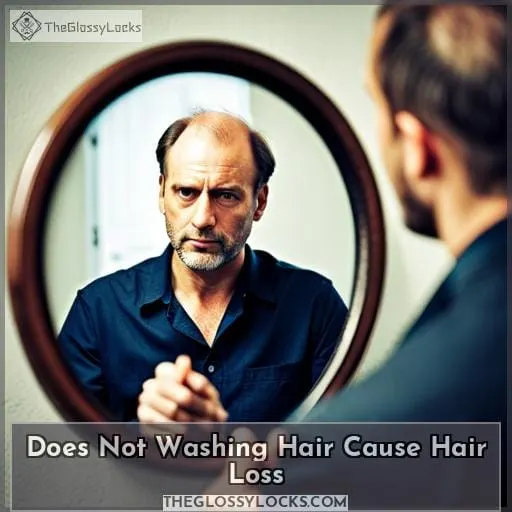
Hair loss is a pervasive concern for men, affecting a significant portion of the population at some point in their lives. While genetics play a dominant role in androgenetic alopecia (male pattern baldness), the influence of external factors like hair styling practices remains a subject of ongoing debate and research. This article delves into the current understanding of the relationship between hair styling and hair loss in men in 2025, exploring various techniques, products, and their potential impact.
The Genetics Factor: The Foundation of Hair Loss
Before examining the role of hair styling, it’s crucial to acknowledge the primary driver of hair loss in most men: genetics. Androgenetic alopecia, a hereditary condition, is influenced by dihydrotestosterone (DHT), a hormone derived from testosterone. DHT shrinks hair follicles, leading to shorter, thinner hairs and eventually hair loss. This process is largely predetermined, and while lifestyle choices can influence its progression, they cannot entirely negate the genetic predisposition.
Hair Styling Techniques and Their Potential Impact:
Several popular hair styling techniques have been implicated in contributing to hair loss or exacerbating existing conditions. The impact, however, is often indirect and linked to the mechanical stress placed on the hair follicles and scalp, rather than a direct causal relationship.
-
Tight Hairstyles: Braids, cornrows, dreadlocks, and tight ponytails, particularly when consistently worn, exert significant traction on the hair follicles. This constant pulling can lead to traction alopecia, a type of hair loss characterized by thinning or receding hairlines around the temples and crown. The pulling force weakens the follicles, potentially leading to permanent damage and hair loss if the style is maintained for extended periods. The severity depends on the tightness of the style and the duration of wear. Loose braids and styles that don’t pull excessively are less likely to cause damage.
-
Heat Styling: The use of heat styling tools like straighteners, curling irons, and blow dryers can contribute to hair damage and breakage. Excessive heat can weaken the hair shaft, making it more prone to breakage and potentially leading to thinning. While this doesn’t directly affect the hair follicles themselves, the cumulative effect of frequent heat styling can result in noticeable hair loss over time. Using heat protectant sprays can mitigate some of this damage, but moderation is still key.
-
Chemical Treatments: Perms, relaxers, and hair dyes contain harsh chemicals that can damage the hair shaft and scalp. These chemicals can lead to dryness, brittleness, and breakage, resulting in visible thinning. Frequent use of these treatments, particularly strong formulations, significantly increases the risk of hair damage and potential hair loss. Opting for gentler, less frequent treatments and consulting a professional stylist can help minimize the potential harm.
Hair Products and Their Role:
Certain hair products also contain ingredients that could potentially contribute to hair loss or scalp irritation.
-
Hairsprays and Gels: Many hairsprays and gels contain strong holding agents that can build up on the scalp, clogging follicles and potentially hindering hair growth. This build-up can also lead to inflammation and irritation, further impacting hair health. Regular cleansing of the scalp is essential to remove product residue and maintain a healthy scalp environment.
-
Pomades and Mousses: Some pomades and mousses contain petroleum-based ingredients that can clog pores and interfere with the scalp’s natural functions. This can lead to inflammation, dandruff, and potentially contribute to hair loss. Choosing products with natural ingredients and avoiding excessive use can help minimize potential risks.
-
Minoxidil in Styling Products: While minoxidil is a common topical treatment for hair loss, its inclusion in styling products should be approached cautiously. Improper application or concentration can lead to scalp irritation or unwanted side effects. Always consult a dermatologist or trichologist before using products containing minoxidil.
Differentiating Styling-Related Hair Loss from Androgenetic Alopecia:
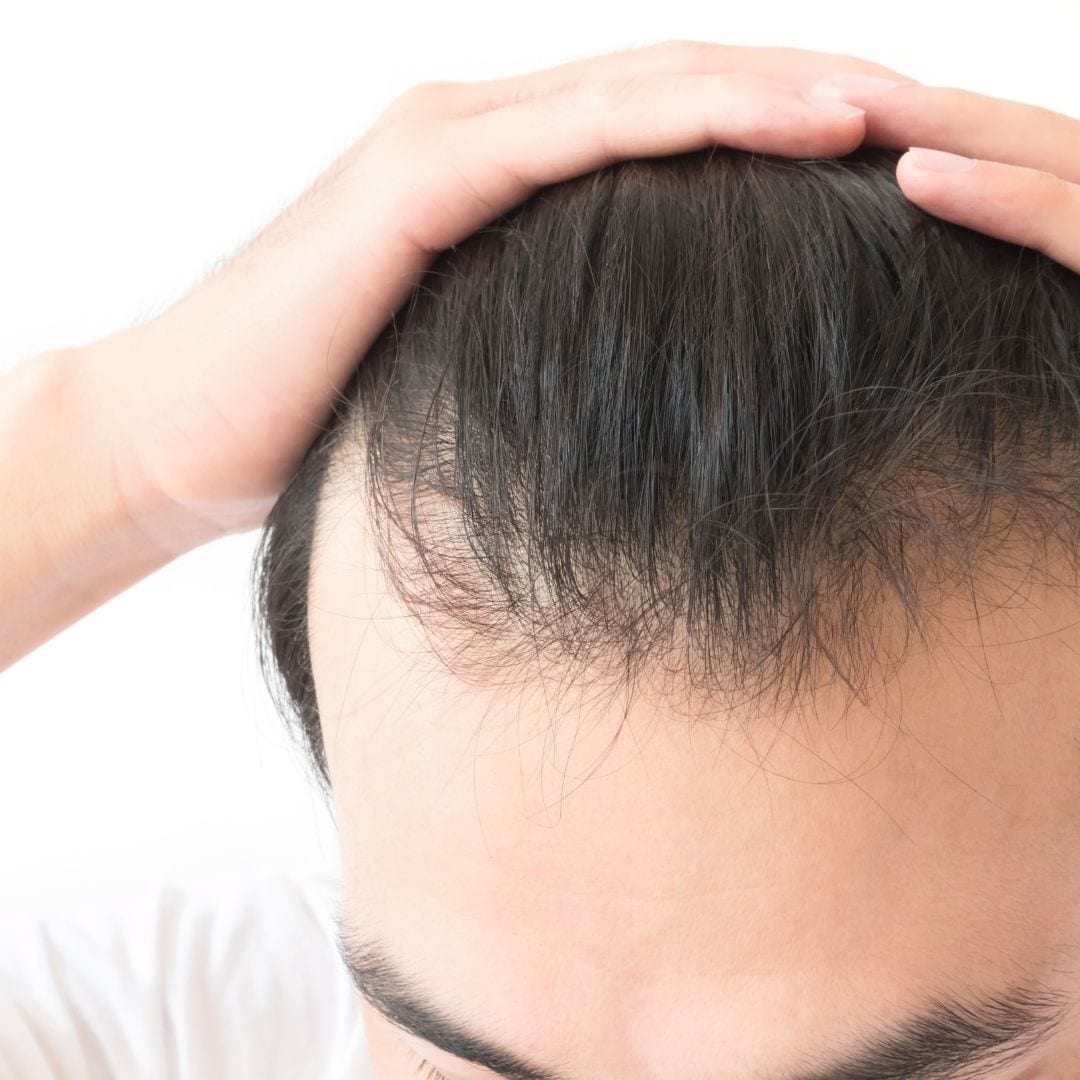
It’s crucial to differentiate between hair loss caused by styling practices and androgenetic alopecia. Traction alopecia, for instance, is characterized by hair loss in specific areas subjected to pulling, whereas androgenetic alopecia typically presents a receding hairline and thinning across the crown. A dermatologist or trichologist can accurately diagnose the cause of hair loss and recommend appropriate treatment strategies.
Prevention and Management:
Preventing hair loss related to styling involves adopting healthier practices:
- Gentle Styling: Opt for looser hairstyles that avoid excessive pulling or tension on the hair follicles.
- Minimize Heat Styling: Reduce the frequency of heat styling, and always use a heat protectant spray.
- Choose Gentle Products: Select hair products with natural ingredients and avoid those containing harsh chemicals or excessive amounts of holding agents.
- Regular Scalp Cleansing: Thoroughly cleanse the scalp to remove product build-up and maintain a healthy environment for hair growth.
- Healthy Diet and Lifestyle: A balanced diet rich in nutrients essential for hair health, along with adequate sleep and stress management, can contribute to overall hair health.
Seeking Professional Help:
If you experience significant hair loss or notice changes in your hair texture or growth pattern, it’s essential to consult a dermatologist or trichologist. They can perform a thorough examination, diagnose the underlying cause of your hair loss, and recommend appropriate treatment options, which may include medications, therapies, or hair transplant surgery.
Conclusion:
While hair styling techniques and products can contribute to hair damage and breakage, leading to apparent hair loss, they are rarely the sole cause of significant hair thinning in men. Androgenetic alopecia remains the primary driver of male pattern baldness. However, by adopting mindful styling practices, choosing gentle products, and maintaining a healthy lifestyle, men can minimize the risk of styling-related hair loss and promote optimal hair health. Early intervention and professional consultation are crucial for managing hair loss effectively and addressing any underlying medical conditions. The information provided in this article is for educational purposes only and does not constitute medical advice. Always consult with a healthcare professional for any concerns about your hair loss.

Closure
Thus, we hope this article has provided valuable insights into Does Styling Your Hair Cause Hair Loss in Men, 2025? A Comprehensive Look. We hope you find this article informative and beneficial. See you in our next article!