Does Styling Powder Damage Hair In 2025? A Comprehensive Look At Benefits, Risks, And Alternatives
Does Styling Powder Damage Hair in 2025? A Comprehensive Look at Benefits, Risks, and Alternatives
Related Articles: Does Styling Powder Damage Hair in 2025? A Comprehensive Look at Benefits, Risks, and Alternatives
Introduction
With great pleasure, we will explore the intriguing topic related to Does Styling Powder Damage Hair in 2025? A Comprehensive Look at Benefits, Risks, and Alternatives. Let’s weave interesting information and offer fresh perspectives to the readers.
Table of Content
Does Styling Powder Damage Hair in 2025? A Comprehensive Look at Benefits, Risks, and Alternatives
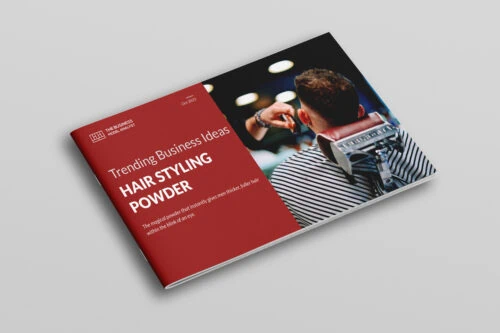
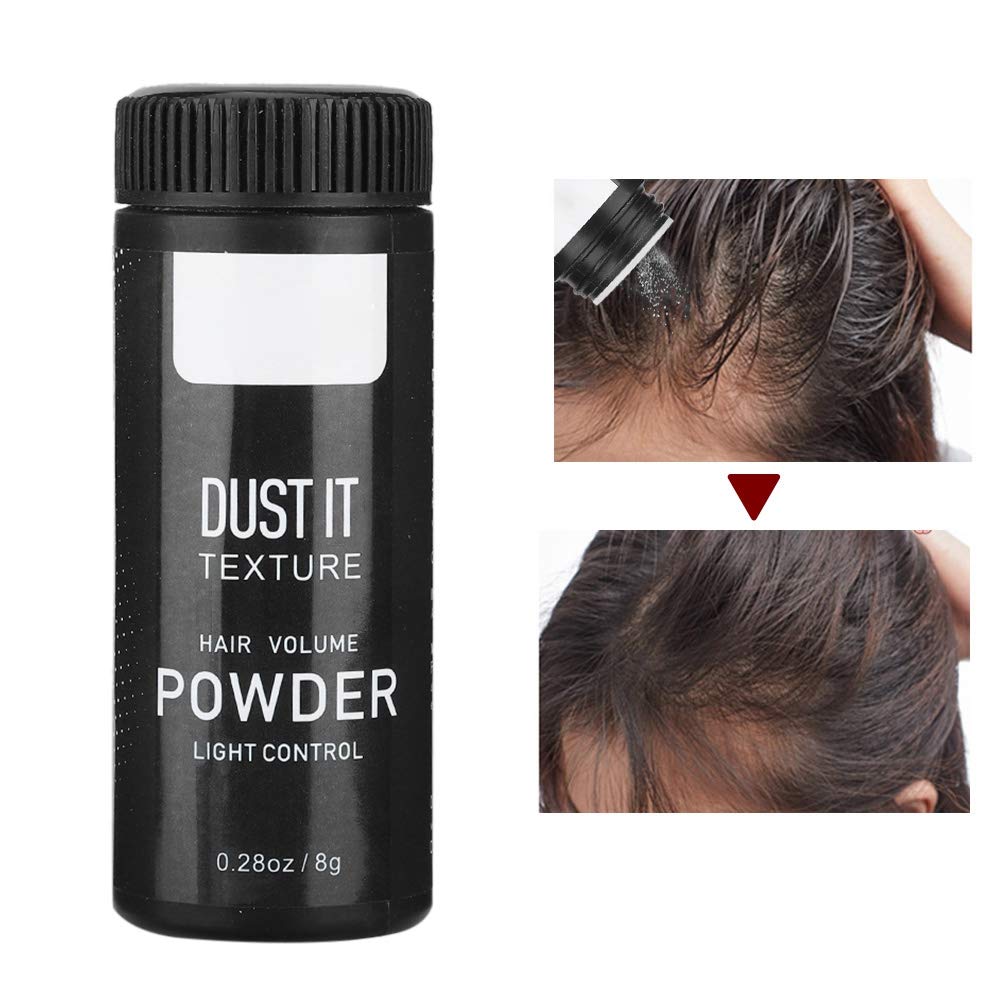
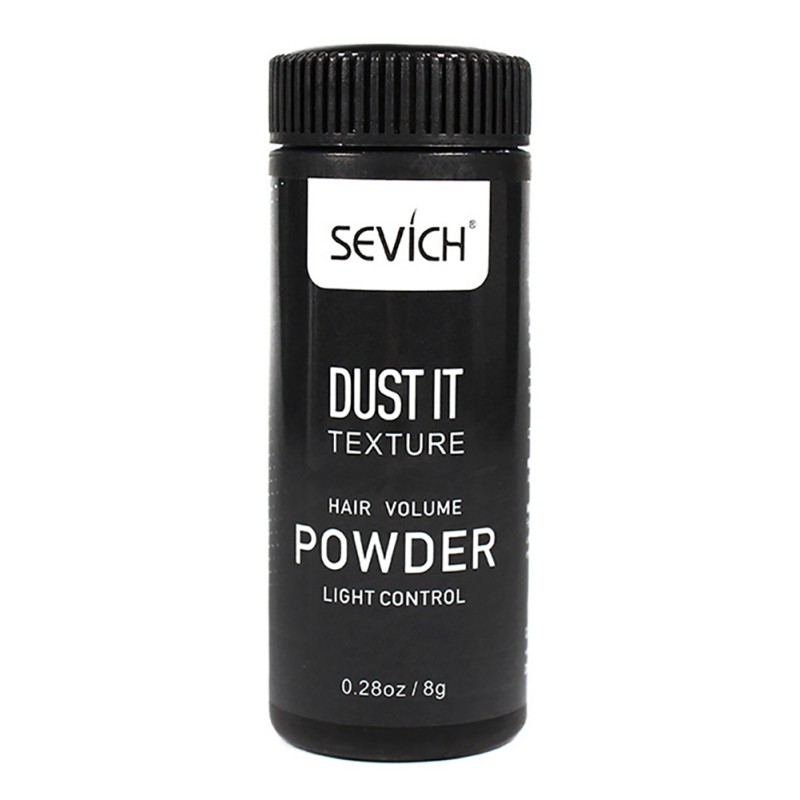
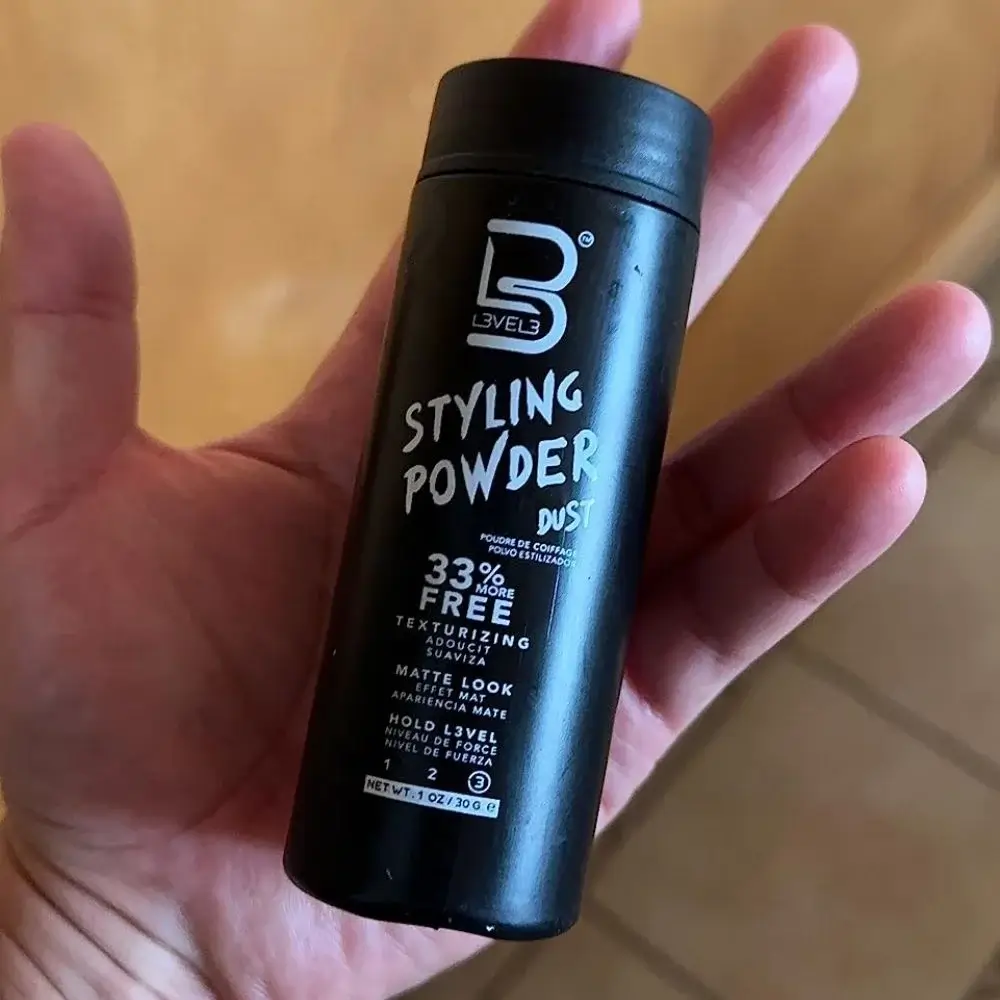
Styling powders have become a staple in many hair care routines, offering a quick and easy way to add volume, texture, and hold. But with the ever-evolving landscape of hair care science and a growing awareness of ingredient impacts, the question of whether styling powder damages hair remains a pertinent one in 2025. This article delves into the potential benefits and risks associated with styling powders, exploring the science behind their effects and offering informed recommendations for safe and effective usage.
Understanding Styling Powders: Ingredients and Mechanisms
Styling powders typically consist of a blend of finely milled ingredients designed to absorb oils and add grip to the hair. Common components include:
-
Absorbent Powders: These are the core of the formula, responsible for absorbing excess sebum (oil) from the scalp and hair. Common examples include rice starch, cornstarch, tapioca starch, and kaolin clay. These ingredients create a slightly rough texture, allowing for better grip and hold.
-
Volumizing Agents: These components contribute to the overall volume-boosting effect. Some powders incorporate polymers or other ingredients that create a slight lift at the roots.
-
Conditioning Agents: While less common, some styling powders incorporate conditioning agents like silicones or plant-derived extracts to mitigate potential drying effects.
-
Fragrances and Preservatives: These are added for scent and shelf-life extension.
The mechanism of action is relatively straightforward. The fine particles of the absorbent powders adhere to the hair shaft, creating friction and improving texture. This absorption of oil also helps to lift the hair at the roots, creating volume. However, the very nature of these powders – their ability to absorb oils – also raises concerns about potential damage.
Potential Benefits of Styling Powder:
Despite the potential downsides, styling powders offer several advantages:
-
Volume and Texture: This is their primary benefit. Powders are particularly effective at adding volume to fine or limp hair, creating texture and body where it may be lacking.
-
Easy Application: Unlike gels or mousses, styling powders are incredibly easy to apply. A small amount can be applied directly to the roots or throughout the hair, making them ideal for quick styling.
-
Lightweight Feel: Powders generally leave the hair feeling lighter than other styling products, avoiding that heavy, sticky residue.
-
Control and Hold: They offer a good degree of control and hold, particularly for styles that require texture and separation.
-
Mattifying Effect: The absorbent properties can help to mattify oily hair, controlling shine and creating a more polished look.
Potential Risks and Damage to Hair:
While styling powders can be beneficial, several potential risks need to be considered:
-
Dryness and Brittleness: The absorption of natural oils can leave the hair dry and brittle, particularly if used excessively or on already dry hair. This can lead to breakage and split ends.
-
Build-up: Over time, the powder can build up on the scalp and hair, leading to clogged follicles and potentially contributing to scalp conditions like dandruff or irritation. Regular washing is crucial to prevent build-up.
-
Irritation: Certain ingredients, particularly fragrances and preservatives, can irritate sensitive scalps. Individuals with allergies or sensitive skin should carefully examine the ingredient list before use.
-
Damage to Hair Cuticle: While not directly damaging the hair shaft, the abrasive nature of the powder particles can potentially roughen the hair cuticle over time, making it more prone to damage.
-
Difficult Removal: Some powders can be difficult to remove completely, requiring thorough washing and potentially multiple washes. This can be particularly challenging for individuals with fine or delicate hair.
-
White Residue: A common complaint is the potential for a white residue to be visible, especially on darker hair. This is more likely with poorly formulated powders or with overuse.
Minimizing Risks and Using Styling Powder Safely:
To mitigate the potential risks associated with styling powders, follow these guidelines:
-
Choose High-Quality Products: Opt for powders with natural, high-quality ingredients, avoiding those with excessive fragrances or harsh chemicals. Look for products specifically designed for your hair type.
-
Use Sparingly: Start with a small amount and add more as needed. Overuse can lead to dryness and build-up.
-
Focus on Roots: Concentrate the application on the roots for volume, rather than applying it throughout the entire hair length.
-
Regular Cleansing: Wash your hair regularly to prevent build-up. Consider using a clarifying shampoo once a week to remove any residual product.
-
Deep Conditioning: Use a deep conditioner regularly to counteract the drying effects of the powder.
-
Patch Test: Before applying the powder to your entire head, perform a patch test on a small section of hair to check for any allergic reactions or irritation.
-
Consider Hair Type: Individuals with already dry, damaged, or fine hair should exercise extra caution and potentially consider alternatives.
Alternatives to Styling Powder:
If you’re concerned about the potential risks of styling powder, several alternatives can achieve similar results:
-
Volumizing Mousses: These offer a lighter hold than gels and can add volume and texture.
-
Root Lift Sprays: These are specifically designed to lift hair at the roots, creating volume without the potential drying effects of powders.
-
Dry Shampoos: While similar in application, dry shampoos primarily focus on absorbing oil and refreshing the hair, rather than adding significant volume or texture. However, some dry shampoos do offer volumizing properties.
-
Texturizing Sprays: These sprays can add texture and grip to the hair without the potential for build-up associated with powders.
-
Hairspray (light hold): A light-hold hairspray can provide hold and volume without weighing the hair down.
Conclusion:
Styling powders can be a valuable tool for adding volume and texture to hair, but their potential to cause dryness and build-up should not be overlooked. By carefully selecting high-quality products, using them sparingly, and incorporating regular cleansing and conditioning into your hair care routine, you can minimize the risks and enjoy the benefits of styling powder. However, individuals with already dry or damaged hair, or those with sensitive scalps, should carefully weigh the potential benefits against the risks and consider alternative styling products that offer a gentler approach to achieving desired volume and texture. The key in 2025, as always, is informed choice and responsible usage.



Closure
Thus, we hope this article has provided valuable insights into Does Styling Powder Damage Hair in 2025? A Comprehensive Look at Benefits, Risks, and Alternatives. We appreciate your attention to our article. See you in our next article!