Difference Between Barber And Hair Stylist 2025
difference between barber and hair stylist 2025
Related Articles: difference between barber and hair stylist 2025
Introduction
With great pleasure, we will explore the intriguing topic related to difference between barber and hair stylist 2025. Let’s weave interesting information and offer fresh perspectives to the readers.
Table of Content
The Evolving Landscape: Barber vs. Hair Stylist in 2025
The lines between barber and hair stylist have always been somewhat blurred, a historical artifact of evolving societal norms and technological advancements in hair care. However, in 2025, the distinctions, while still present, are becoming more nuanced and less rigidly defined than ever before. This article explores the continuing differences between these two professions, examining the services offered, the clientele served, and the evolving skill sets required to thrive in a dynamic industry shaped by technology, social trends, and changing consumer expectations.
Traditional Differences: A Foundation for Understanding
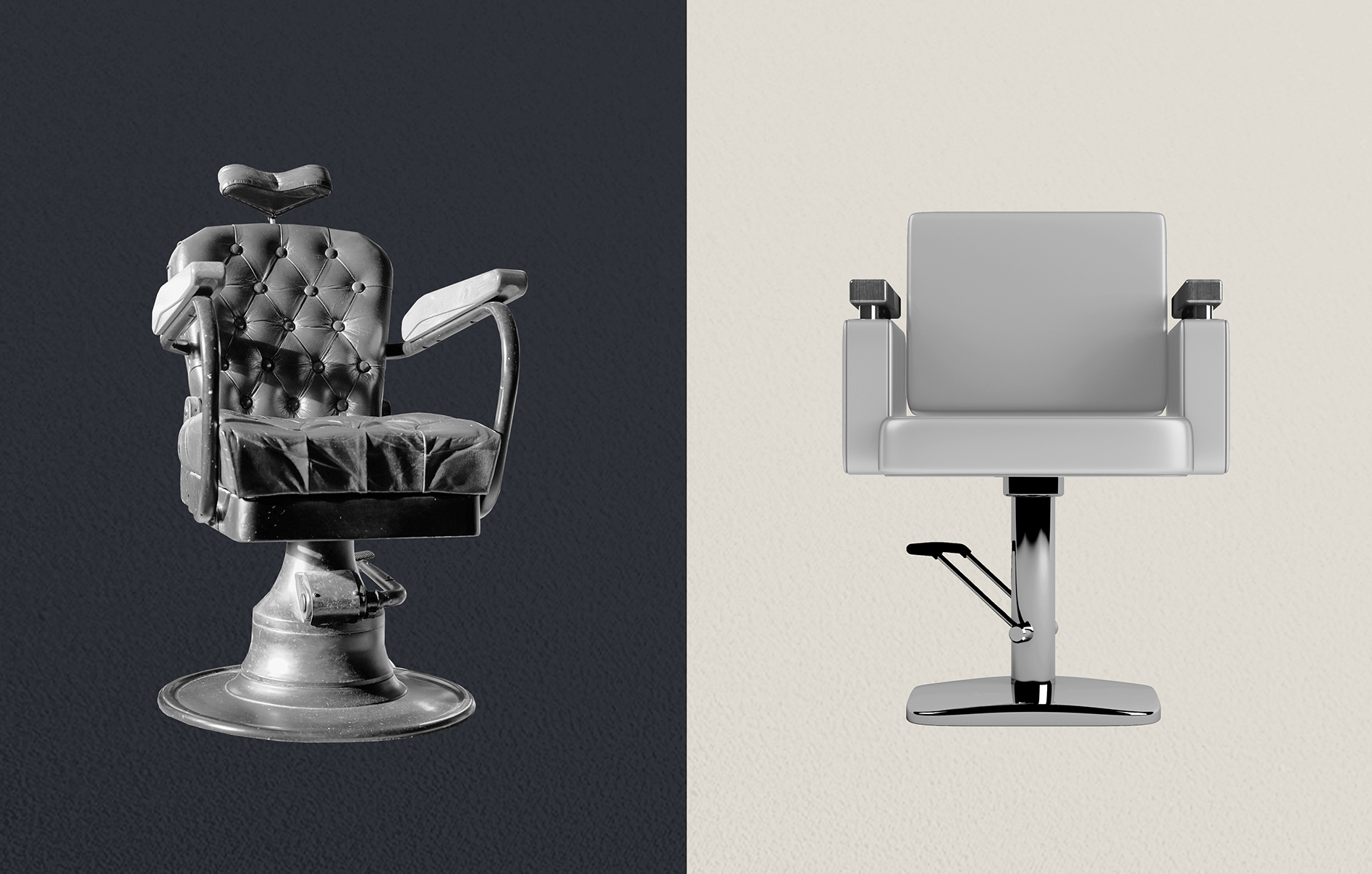
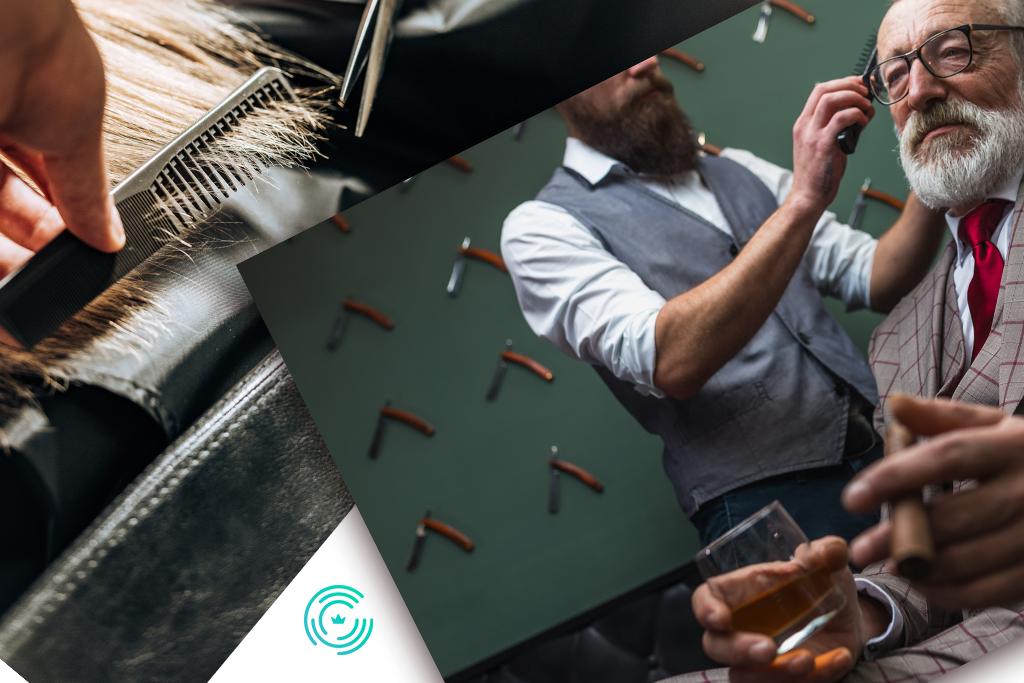
Historically, barbers catered primarily to men, specializing in short haircuts, beard trims, and shaves. Their expertise lay in precise, sharp cuts and the maintenance of classic styles. Hair stylists, on the other hand, traditionally focused on women’s hair, offering a wider range of services including long-hair styling, coloring, perms, and more elaborate updos. This division was often reflected in their training, tools, and even the ambiance of their salons. Barbershops typically maintained a more masculine, often rugged aesthetic, while hair salons frequently projected a more feminine and sophisticated image.
The Blurring Lines: Modern Trends and Innovation
The stark contrasts of the past are increasingly fading. Several factors have contributed to this convergence:
-
Gender fluidity: Societal norms surrounding gender expression have significantly shifted. Men are increasingly embracing longer hair and more complex styles, while women are opting for shorter, more traditionally masculine cuts. This fluidity in personal style has broken down the traditional gendered approach to hair care.
-
Unisex salons: The rise of unisex salons has further blurred the lines. These establishments cater to both men and women, offering a comprehensive range of services under one roof. This business model reflects the growing demand for versatile hair care professionals capable of handling diverse styles and client needs.
-
Technological advancements: Innovations in hair styling tools and techniques have made it easier for professionals to transition between styles. Advanced clippers, shears, and coloring products allow for greater precision and versatility, enabling both barbers and hair stylists to expand their service offerings.
-
Cross-training and specialization: Many professionals are now undergoing cross-training to enhance their skill sets. Barbers are incorporating advanced coloring and styling techniques, while hair stylists are honing their skills in precision cutting and beard maintenance. This trend fosters a more holistic approach to hair care, benefiting both the professionals and their clients.
Distinct Service Offerings in 2025: A Refined Perspective
Despite the blurring lines, certain distinctions in service offerings still persist in 2025:
-
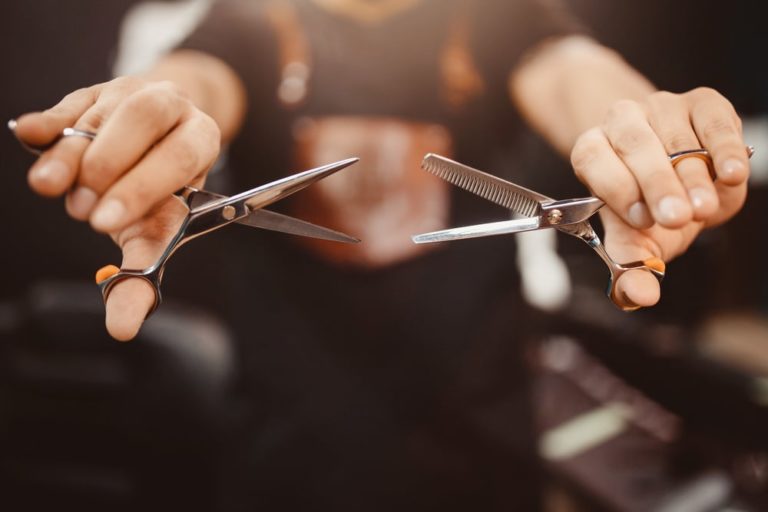
Precision Cutting: Barbers generally maintain a stronger emphasis on precise, sharp cuts, particularly for shorter hairstyles. Their expertise in fades, tapers, and other close-shaving techniques remains a core competency. While hair stylists may offer similar services, their focus often extends to more intricate layering and texturizing techniques for longer hair.
-
Beard and Shaving Services: Beard trimming, shaping, and hot towel shaves remain a significant component of barbering services. While some hair stylists may offer basic beard trimming, the comprehensive expertise in this area remains a key differentiator for barbers.
-
Coloring and Chemical Treatments: Hair stylists continue to lead in the realm of hair coloring, perms, and other chemical treatments. While some barbers may offer basic coloring services, the breadth and depth of expertise in this area typically reside with hair stylists. The complexity of color correction, balayage, and other advanced techniques necessitates specialized training and experience.
-
Styling and Updos: Hair stylists often specialize in intricate updos, bridal styling, and other advanced styling techniques for special occasions. While barbers might offer basic styling services, the level of artistry and creativity typically associated with these styles remains a primary focus for hair stylists.
-
Hair Extensions and Wigs: The increasing popularity of hair extensions and wigs has created a niche market within the hair styling industry. Hair stylists with expertise in this area can offer clients transformative experiences, significantly impacting their overall look and confidence.
The Evolving Skill Set: Adapting to the Future
To thrive in 2025, both barbers and hair stylists need a diverse and adaptable skill set:
-
Client Consultation and Communication: Effective communication and understanding client needs are paramount. Professionals must be able to interpret client preferences, offer informed advice, and manage expectations.
-
Business Acumen: Running a successful business requires more than just technical skills. Understanding marketing, financial management, and customer service is crucial for both independent professionals and those working within salons.
-
Hygiene and Safety: Maintaining a clean and sanitary workspace is non-negotiable. Strict adherence to hygiene protocols is essential for protecting both the professional and the client.
-
Continuing Education: The hair care industry is constantly evolving. Professionals must engage in continuous learning to stay abreast of the latest trends, techniques, and technologies. This includes attending workshops, seminars, and staying updated on industry publications.
-
Digital Literacy: Effective use of social media, online booking systems, and other digital tools is essential for attracting and retaining clients.
Conclusion: A Collaborative Future
In 2025, the distinction between barber and hair stylist is less about rigid categories and more about specialized expertise within a broader field of hair care. While certain core competencies remain associated with each profession, the increasing overlap in services and the evolving skill sets required demonstrate a collaborative future. The successful professionals of tomorrow will be those who embrace versatility, continuous learning, and a client-centric approach, regardless of whether they identify as a barber, hair stylist, or both. The focus is shifting from strict categorization to a holistic understanding of hair care, reflecting the evolving needs and desires of a diverse and dynamic clientele. The future of hair care is inclusive, innovative, and increasingly interconnected.




Closure
Thus, we hope this article has provided valuable insights into difference between barber and hair stylist 2025. We hope you find this article informative and beneficial. See you in our next article!