Are Hairless Cats Greasy 2025
are hairless cats greasy 2025
Related Articles: are hairless cats greasy 2025
Introduction
In this auspicious occasion, we are delighted to delve into the intriguing topic related to are hairless cats greasy 2025. Let’s weave interesting information and offer fresh perspectives to the readers.
Table of Content
The Greasy Truth About Hairless Cats in 2025: Myth vs. Reality
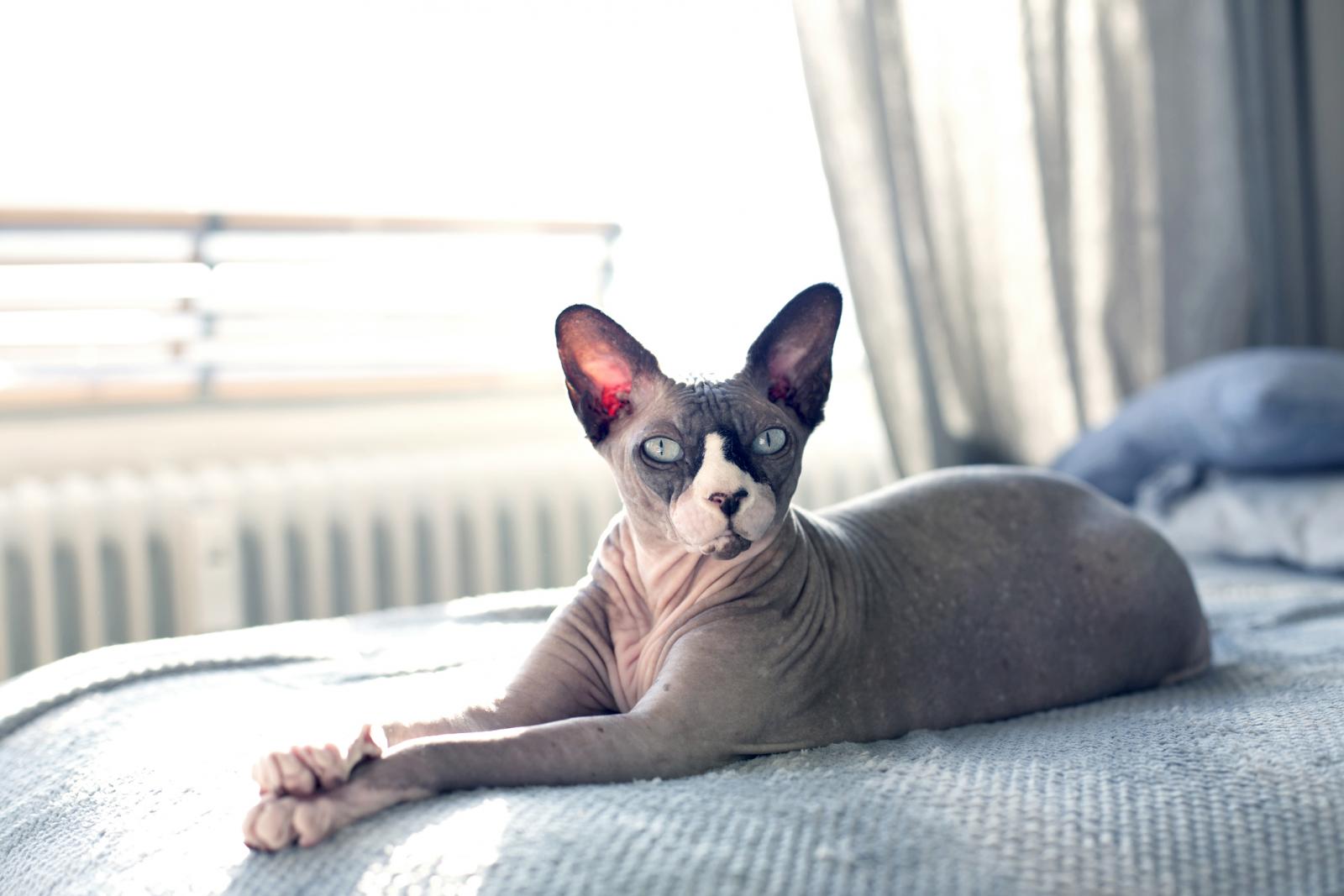
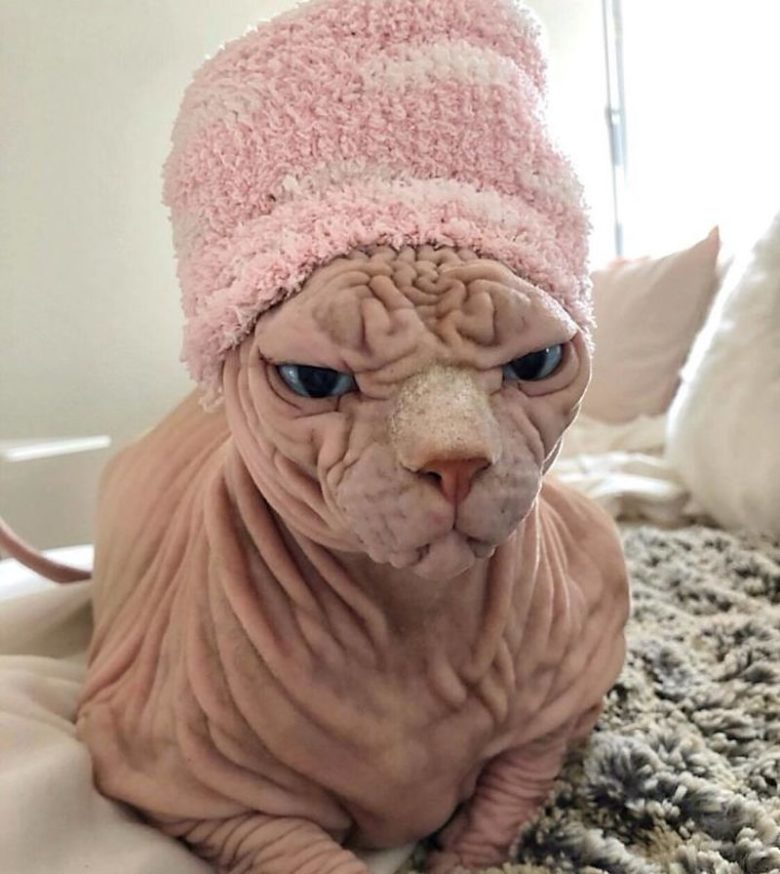
Hairless cats, with their intriguing smooth skin and unique appearance, have captivated cat lovers for decades. However, a persistent myth surrounds these captivating creatures: that their skin is inherently greasy. This article will delve into the science behind this misconception, exploring the reasons behind the perceived greasiness, the importance of proper care, and dispelling common misunderstandings about hairless cat skin in 2025.
The Science of Sebum Production:
The key to understanding the "greasy" perception of hairless cats lies in understanding sebum production. Sebum is an oily substance secreted by sebaceous glands in the skin. These glands are present in all mammals, including cats, and their primary function is to lubricate and protect the skin and hair. Sebum helps maintain skin hydration, prevents dryness and cracking, and provides a natural barrier against bacteria and other environmental aggressors.
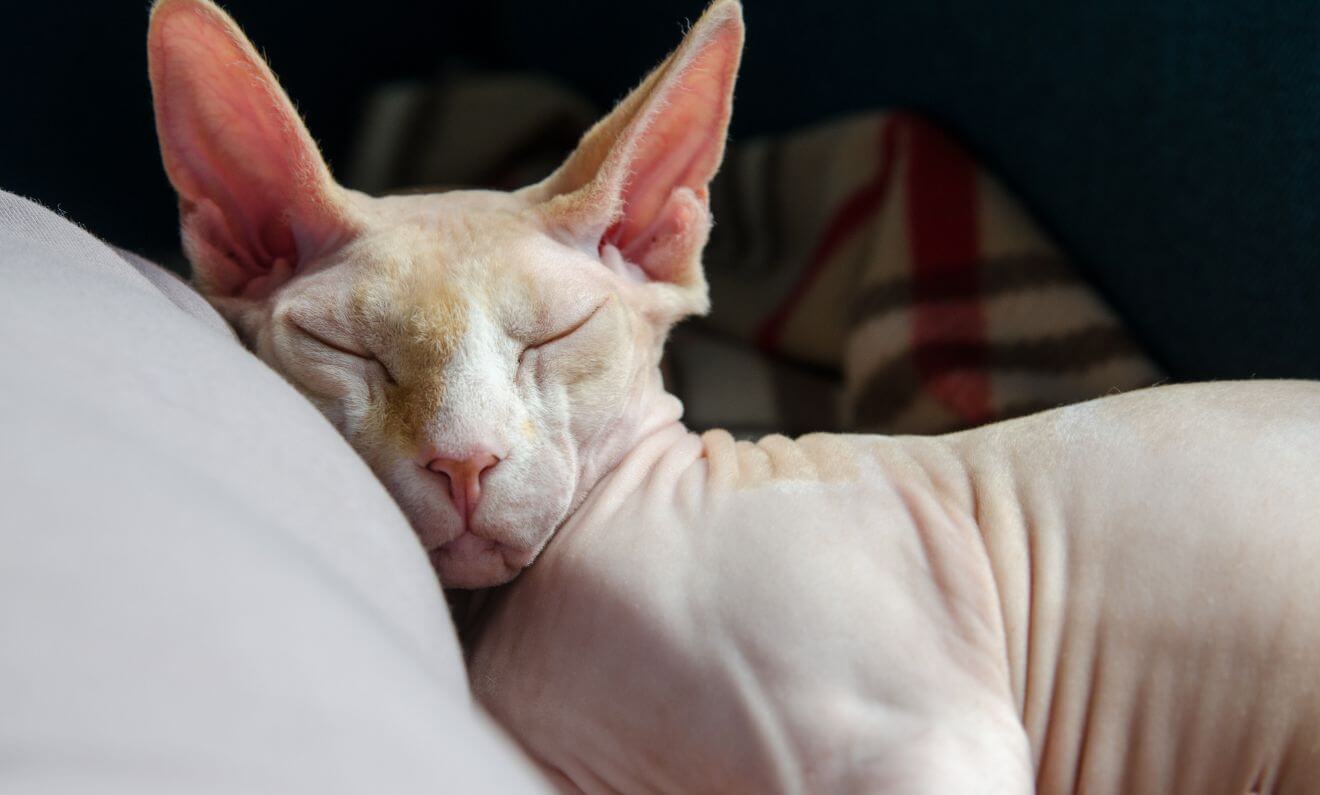
In cats with fur, sebum is distributed relatively evenly across the coat, preventing excessive buildup on the skin’s surface. The fur acts as a natural absorbent and helps to regulate sebum distribution. However, hairless cats lack this natural distribution system. Their exposed skin is more directly exposed to the sebum produced by their sebaceous glands. This leads to a greater concentration of sebum on the surface of the skin, which can give the impression of greasiness.
Breed Variations and Individual Differences:
It’s crucial to understand that not all hairless cats are created equal. Several breeds fall under the "hairless" category, each with its own unique genetic makeup and associated skin characteristics. The most well-known breeds include the Sphynx, Donskoy, and Peterbald. Even within a single breed, individual cats can exhibit varying levels of sebum production. Factors such as genetics, diet, hormones, and overall health can influence the amount of sebum a cat produces.
Some hairless cats may produce more sebum than others, resulting in a noticeably oilier skin. This isn’t necessarily indicative of a health problem, but rather a natural variation within the breed. Others might have relatively normal sebum production, appearing less oily. This highlights the importance of considering individual differences when assessing the skin condition of a hairless cat.
The Role of Diet and Environmental Factors:
Diet plays a significant role in skin health in all cats, including hairless breeds. A diet rich in essential fatty acids, such as omega-3 and omega-6, can help regulate sebum production and maintain healthy skin. Conversely, a diet lacking these essential nutrients can contribute to dry, flaky skin or, in some cases, excessive sebum production. This can manifest as a seemingly greasy coat, even though the underlying issue is a nutritional deficiency.
Environmental factors also influence skin health. Exposure to harsh chemicals, extreme temperatures, or excessive sun can disrupt the skin’s natural balance, leading to increased sebum production as a compensatory mechanism. Therefore, providing a clean, comfortable environment and protecting your hairless cat from harsh elements is essential for maintaining healthy skin.
Common Misconceptions and Misinterpretations:
The perception of greasiness in hairless cats is often exacerbated by several misconceptions:
-
Confusion with dirt: The lack of fur can make dirt and debris more visible on a hairless cat’s skin. What might appear as greasiness could simply be accumulated dirt or environmental allergens. Regular bathing and cleaning can help distinguish between true greasiness and surface dirt.
-
Over-bathing: Ironically, over-bathing can actually worsen the problem. While regular bathing is essential, excessive washing can strip the skin of its natural oils, leading to increased sebum production as the body tries to compensate for the loss.
-
Ignoring underlying health issues: Excessive sebum production can sometimes indicate underlying health problems, such as hormonal imbalances, allergies, or skin infections. If a hairless cat exhibits excessively oily skin accompanied by other symptoms like itching, redness, or hair loss (even in a hairless cat, some fine hair might be present), it’s crucial to consult a veterinarian.
Proper Care and Grooming for Hairless Cats:
Proper grooming is paramount for maintaining the health and appearance of a hairless cat’s skin. This includes:
-
Regular bathing: Bathing should be done regularly, but not excessively. A weekly bath using a mild, pH-balanced cat shampoo is usually sufficient. Avoid harsh chemicals and ensure the shampoo is thoroughly rinsed.
-
Skin moisturizing: After bathing, applying a hypoallergenic moisturizer can help replenish the skin’s natural oils and prevent dryness.
-
Regular skin checks: Regularly inspect your cat’s skin for any signs of irritation, redness, or unusual bumps. Early detection of skin problems can prevent more serious complications.
-
Proper diet: Ensure your cat’s diet is balanced and provides adequate essential fatty acids. Consult your veterinarian for recommendations on the best diet for your cat’s specific needs.
-
Environmental control: Maintain a clean and comfortable environment, protecting your cat from harsh chemicals and excessive sun exposure.
Conclusion:
The perceived greasiness of hairless cats is primarily due to the visible concentration of sebum on their exposed skin, a natural consequence of the lack of fur to absorb and distribute it. While some hairless cats may produce more sebum than others, it’s not necessarily a cause for concern unless accompanied by other symptoms. With proper grooming, a balanced diet, and regular veterinary checkups, you can ensure your hairless cat’s skin remains healthy and vibrant. The myth of inherently greasy hairless cats should be replaced with a better understanding of their unique skin needs and the importance of proactive care. In 2025, and beyond, responsible ownership ensures these beautiful and unique felines thrive, dispelling misconceptions and showcasing their true beauty. Remember, a little understanding goes a long way in providing the best care for your hairless companion.



Closure
Thus, we hope this article has provided valuable insights into are hairless cats greasy 2025. We appreciate your attention to our article. See you in our next article!