70s Black Men’s Hairstyles: A 2025 Retro Revival
70s Black Men’s Hairstyles: A 2025 Retro Revival
Related Articles: 70s Black Men’s Hairstyles: A 2025 Retro Revival
Introduction
In this auspicious occasion, we are delighted to delve into the intriguing topic related to 70s Black Men’s Hairstyles: A 2025 Retro Revival. Let’s weave interesting information and offer fresh perspectives to the readers.
Table of Content
70s Black Men’s Hairstyles: A 2025 Retro Revival

The 1970s were a pivotal decade for Black culture, and this influence is undeniably reflected in the hairstyles that emerged. From the powerful statements of Afrocentricity to the suave sophistication of meticulously groomed looks, 70s Black men’s hairstyles represented a blend of rebellion, self-expression, and undeniable style. Now, in 2025, these iconic looks are experiencing a significant resurgence, reimagined for a modern audience while retaining their original essence. This article delves into the key 70s styles, exploring their history, cultural significance, and how they’re being adapted for the contemporary man.
The Afro: A Symbol of Power and Pride
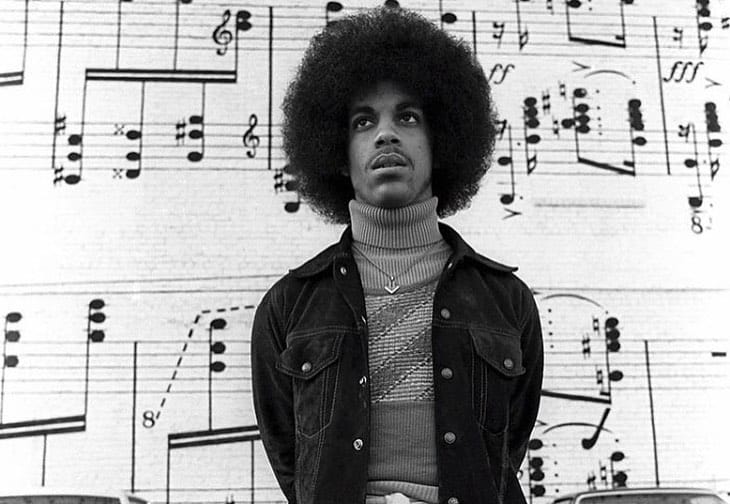
Perhaps the most iconic symbol of Black pride and power during the 70s, the Afro transcended mere hairstyle; it was a political statement. Representing natural beauty and a rejection of Eurocentric beauty standards, the Afro became a defining feature of the Black Power movement. Its size varied, from small and neatly shaped to enormous, gravity-defying clouds of hair. The maintenance required dedication – specialized conditioners, careful detangling, and often, the expertise of a skilled barber.
In 2025, the Afro remains a powerful choice, but with a modern twist. While the massive Afros of the 70s are still seen, many men are opting for more sculpted and refined versions. This might involve using techniques like texturizing products to enhance the shape and definition, creating a more tailored and contemporary look. The focus is less on sheer size and more on achieving a polished, yet naturally impressive style. Modern Afro wearers often incorporate fades or undercuts to add a touch of edge and sophistication.
The Jheri Curl: A Smooth Operator
The Jheri curl, with its signature wet-look sheen and bouncy texture, was a sensation in the 70s. This chemical process created a unique, voluminous curl pattern that was both stylish and undeniably distinctive. Famous for its association with musicians and entertainers, the Jheri curl became a symbol of coolness and sophistication. However, the process itself was often time-consuming and could be damaging to the hair if not properly maintained.
The resurgence of the Jheri curl in 2025 is approached with a more cautious and informed perspective. The harsh chemical processes of the original are largely avoided in favour of modern techniques that achieve a similar look with less damage. This might involve using specialized curl creams, diffusing techniques, or even strategically placed braids to mimic the bouncy texture. The result is a contemporary interpretation that captures the essence of the Jheri curl without the potential drawbacks of the original. Modern Jheri curls are often paired with fades or lineups for a more balanced and contemporary feel.
The Conk: A Controversial Legacy
The conk, a hairstyle achieved through a chemical straightening process, holds a complex place in the history of Black hairstyles. While it allowed Black men to conform to Eurocentric beauty standards, it also represented a painful assimilation, a rejection of natural hair textures. Its popularity in the 70s, although waning compared to other styles, reflects the societal pressures faced by Black individuals during that era.
In 2025, the conk, in its original chemically straightened form, is largely absent. The focus on embracing natural hair textures has significantly shifted the landscape of Black men’s hairstyles. However, the legacy of the conk serves as a reminder of the complexities of beauty standards and the importance of self-acceptance and celebrating natural hair. Instead of chemical straightening, modern men might opt for heatless styling methods or protective styles that allow them to temporarily straighten their hair without causing damage.
The Long and Flowing Locks: A Romantic Aesthetic
Beyond the tightly curled and styled looks, the 70s also saw the rise of longer, flowing hairstyles. These styles, often worn with side parts or center parts, represented a more romantic and bohemian aesthetic. The length and texture varied, ranging from loose waves to tightly coiled locks. These styles often required significant maintenance, but they showcased a different side of Black male beauty – one that was less structured and more free-flowing.
In 2025, long hair remains a popular choice, but with a focus on healthy, well-maintained locks. Men are experimenting with different textures, incorporating braids, twists, and locs to add interest and visual appeal. The focus is on creating a style that is both stylish and easy to manage. Products designed to nourish and protect long hair are crucial for achieving a healthy and visually stunning look. These styles are often accessorized with headbands or scarves, adding a touch of 70s flair.
The Cornrows and Braids: Protective Style and Artistic Expression
Cornrows and braids served as both practical protective styles and artistic expressions. They allowed for intricate designs and patterns, showcasing the creativity and skill of the braider. These styles offered a way to manage longer hair while also making a bold fashion statement. The intricacy of the designs varied, from simple straight rows to complex geometric patterns.
In 2025, cornrows and braids remain incredibly popular, with new variations and techniques constantly emerging. Modern styles incorporate bolder colours, beads, and other accessories, reflecting a more playful and expressive approach. The focus on intricate designs and personalized styles allows for a high degree of self-expression. Braids also continue to be a popular protective style, safeguarding hair from damage and promoting growth.
The Fade: A Timeless Classic
While not exclusively a 70s phenomenon, the fade played a significant role in many of the hairstyles of the era. The fade, a gradual tapering of hair length from the sides and back to the top, provided a clean and sharp contrast that enhanced the overall look of the hairstyle. It could be paired with any of the styles mentioned above, adding a touch of sophistication and structure.
The fade remains a staple in 2025, offering endless variations in terms of height, shape, and blending techniques. Modern barbers are masters of creating intricate fade designs, incorporating lines, shapes, and even artwork into the haircut. The fade continues to be a versatile and timeless element that complements a wide range of hairstyles, adding a touch of modern flair to the retro-inspired looks of 2025.
The Importance of Hair Care in 2025
One crucial difference between the 70s and 2025 is the approach to hair care. While the 70s often saw a less informed approach to hair health, 2025 emphasizes the importance of using high-quality products and techniques that protect and nourish the hair. Understanding hair porosity, scalp health, and the impact of various styling methods is crucial for achieving both style and hair health.
In conclusion, the 70s hairstyles for Black men are experiencing a well-deserved revival in 2025. While the original styles hold historical and cultural significance, their modern interpretations reflect a more informed and sophisticated approach to hair care and self-expression. The focus is on embracing natural textures, utilizing modern techniques, and creating styles that are both stylish and healthy. This resurgence isn’t just a fashion trend; it’s a celebration of Black culture, heritage, and the enduring power of self-expression through hair.




Closure
Thus, we hope this article has provided valuable insights into 70s Black Men’s Hairstyles: A 2025 Retro Revival. We hope you find this article informative and beneficial. See you in our next article!